ESSAM
INSIGHTS
Insights on process engineering, continuous improvement, and how enterprise transformation teams use AI to scale operational excellence.

Johor-Singapore SEZ: Two Rulebooks, One Ops Design
The Johor-Singapore SEZ is being sold as an incentive story, but for an operations leader it's a process-duplication event, and the winners will design one process with two compliance tails rather than two processes bolted together. This post maps what that single-process, dual-rulebook design actually requires.
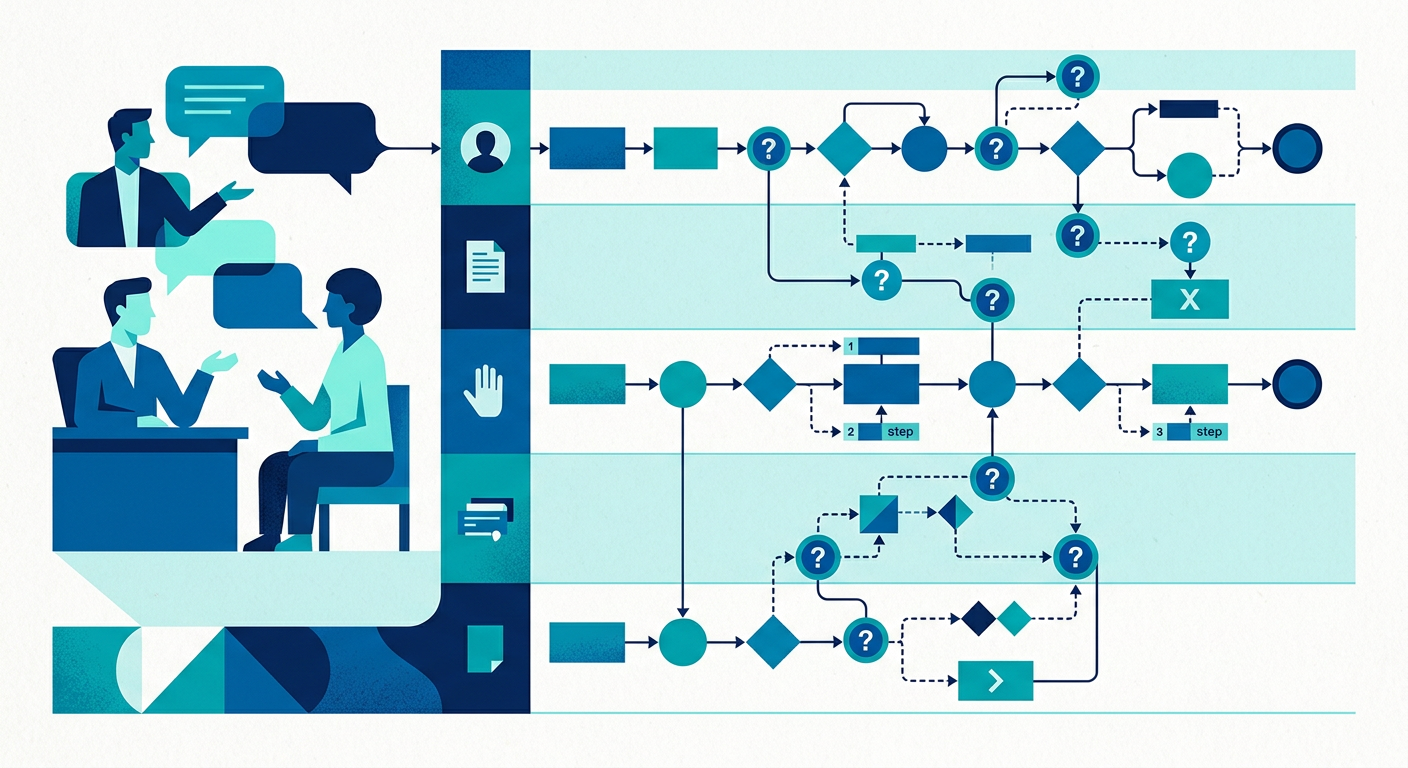
Twelve Questions That Map Any Process in One Sitting
Twelve questions, asked in a fixed order about the last real piece of work, are enough to map most operational processes in a single sitting, because they ask for artefacts and interruptions instead of steps. This post lists those twelve questions and why that framing is what makes the map accurate.
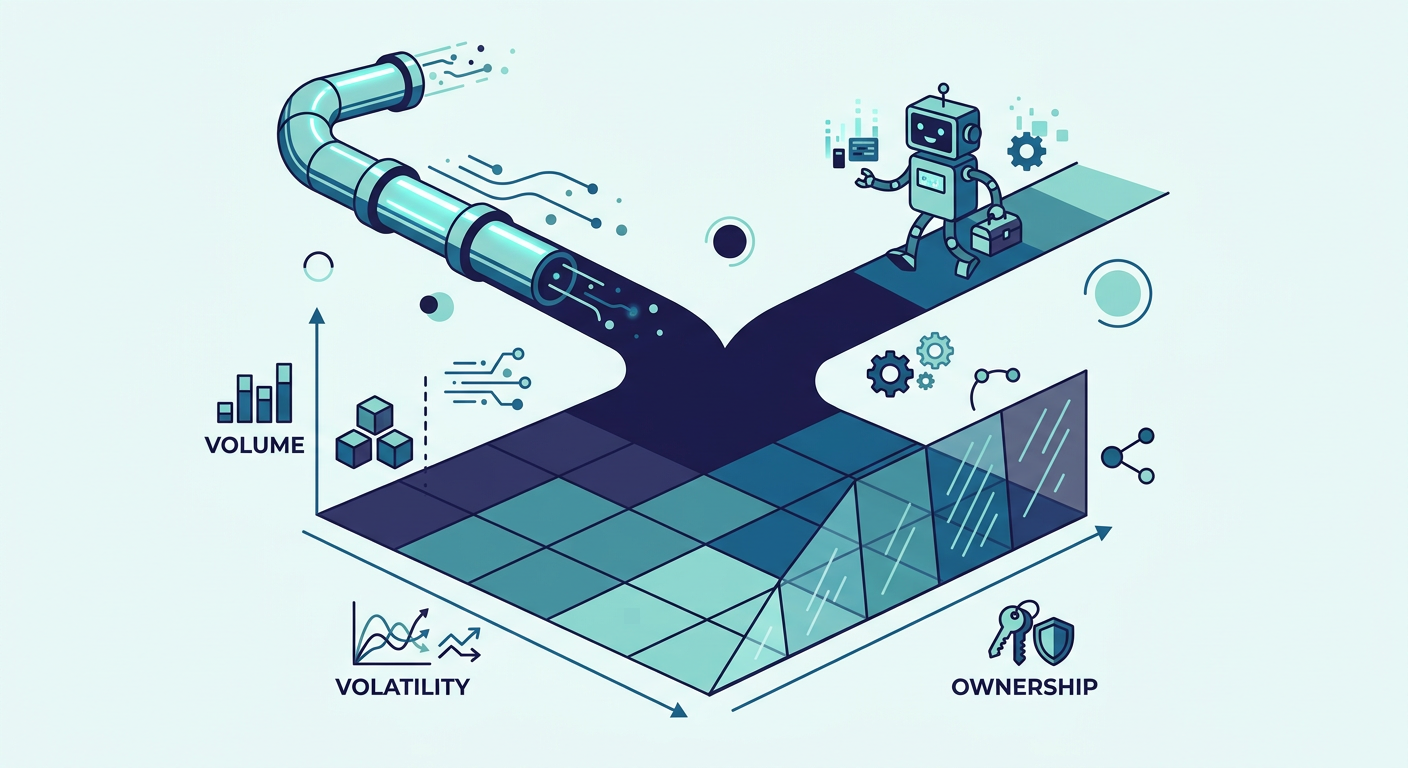
API-first or bot-first: choosing the right automation for each step
Choosing between an API and a bot for any given step comes down to three tests: how often the step changes, how many items it handles, and who owns the interface. This post walks through that decision test by step instead of defaulting to one mechanism for an entire process.

Pega for banking ops: when a case platform meets an undocumented floor
If your live case types outnumber your actual processes three to one, that's a definition problem, not a platform problem, and a case platform executes a definition rather than replacing the need for one. This post explains why Pega needs a documented floor before it can deliver on a banking ops deployment.

Reinsurance recoveries: where claims money sits between two ledgers
A reinsurance recovery passes through five handoffs between the day a claim is paid and the day the cash is applied, and most of the delay sits in the gap between claims and finance. This post maps where recovery money actually stalls between two ledgers and how to close that gap.

Corporate actions processing: the deadline chain custody ops runs blind
Corporate actions processing runs on four independent clocks, and custody teams usually manage the two they can see while the market deadline, the one that actually binds, runs blind. This post maps that deadline chain and where ops loses visibility on the clock that matters most.

Maker-checker: the control that slows everything down and catches nothing
Maker-checker is meant to catch errors and fraud, but in most banks the checker approves almost everything while the delay stays real, which means the control behaves like a queue, not a safeguard. This post explains how to measure that gap and turn the second signature back into an actual control.

Malaysia GBS: The Global Capability Centre Boom and the Ops Work Behind It
A Malaysian GBS centre succeeds or fails on process ownership, not talent cost, and the centres that last refuse to sign an SLA for work nobody has mapped. This post explains what separates a durable global capability centre from one that quietly accumulates undocumented work.
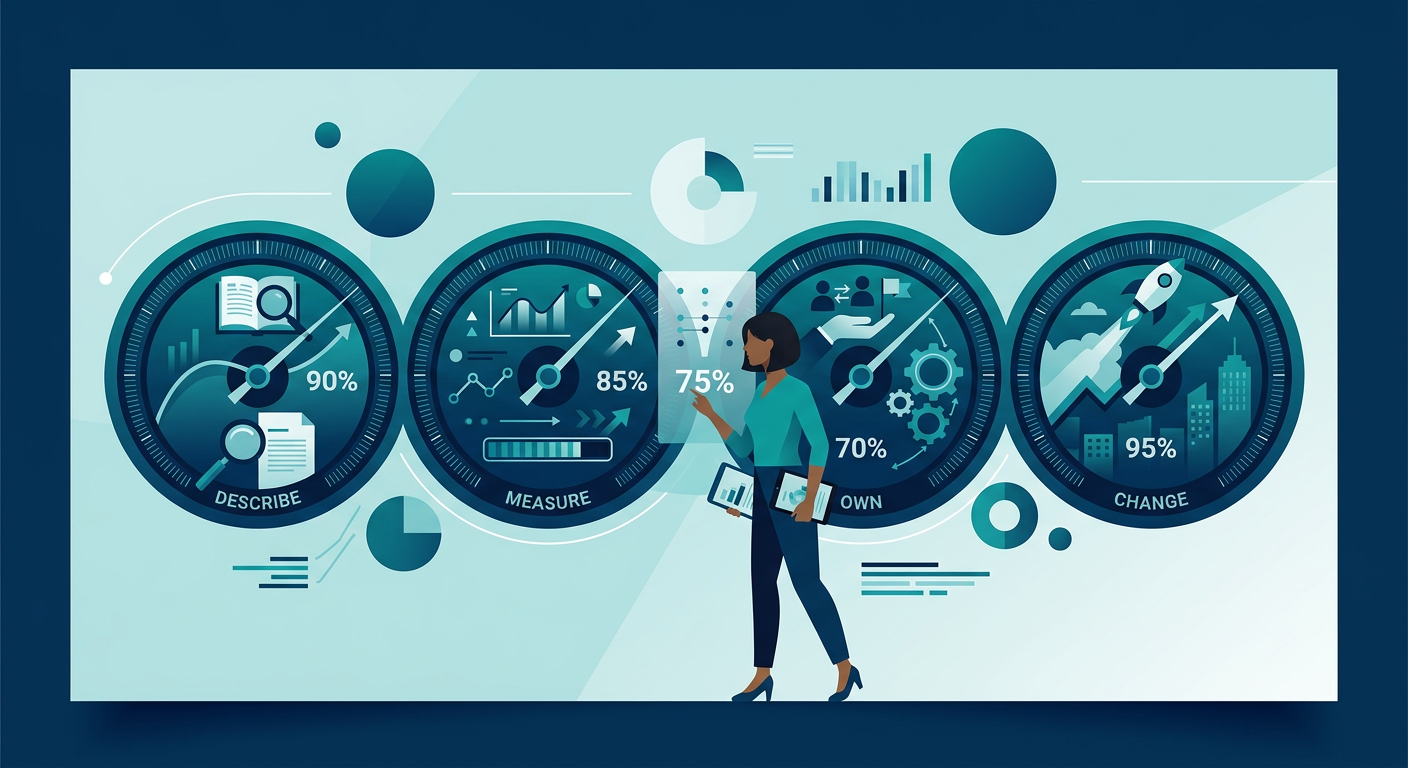
Capability Assessment: Is Your Ops Team Ready for Agentic AI?
Four questions predict whether an agentic AI pilot survives contact with production, and most ops teams fail the first one while already shopping for the agent itself. This post walks through the capability assessment that should happen before any agentic AI purchase.

Discrete-Event Simulation for Ops: Testing a Redesign Before You Ship It
Discrete-event simulation lets you rehearse an operational redesign on a model before it reaches staff or customers, using the arrivals, service times, and routing data ops already tracks. This post explains how to test a redesign's effect on queues and waits before you ship it.

Microsoft Visio in 2026: Does the Diagramming Giant Still Fit Ops Work?
Visio still draws the process someone describes very well, but a drawing isn't a process asset because nothing in it ties the picture to what the floor actually does. This post evaluates where Visio still fits ops work in 2026 and where it structurally stops.

Wealth Client Onboarding: The 20-Day Queue Behind AUM Growth
Twenty working days can pass between a client's yes and the bank's first booked asset, and that gap is a queue, not a compliance requirement. This post uses Little's Law to show where wealth client onboarding time actually goes and how to find your own number.

Takaful Insurance in Malaysia: The Rules Are Different and So Is the Work
Takaful differs from conventional insurance in structure, not branding, with money moving between separate funds and Shariah decisions sitting inside the process flow itself. This post explains why takaful operations fail when a conventional playbook gets copied onto them instead of designed for the two-rulebook reality.

What Is RPA? The Acronym, the Hype, and the Work It Actually Does
RPA is software that copies the steps a person takes on a screen so a rule-based task runs without them, and it does four specific things to a process regardless of what the category gets called next. This post defines what RPA actually does and where the hype around newer labels overstates the change.
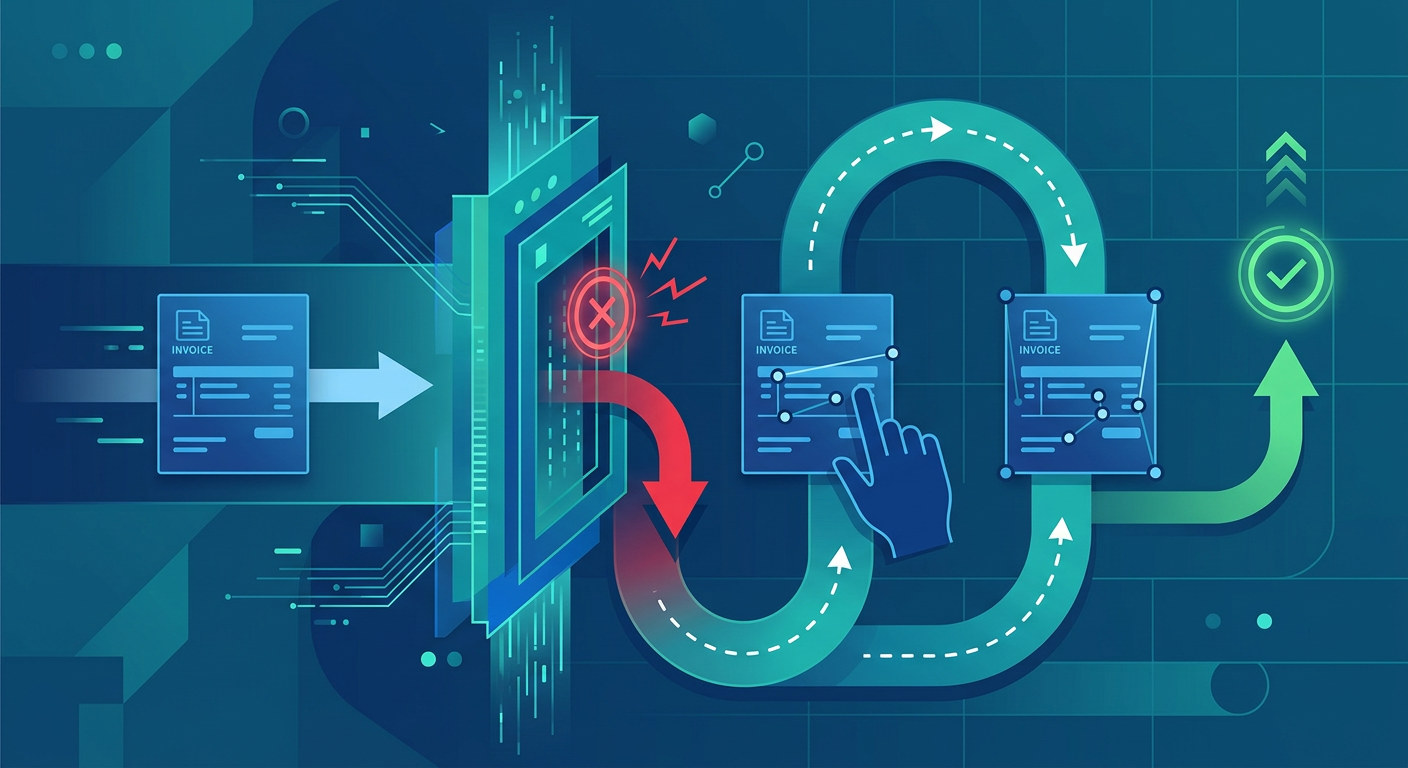
MyInvois E-Invoicing: The Finance-Ops Redesign Malaysia's Mandate Forces
MyInvois reads like an IT integration deadline, but the validation rejection queue it creates becomes the AP team's daily work, not a one-time technical milestone. This post maps the finance-ops redesign the mandate actually forces, beyond passing the integration test.
Financial Processes at Enterprise Scale: The Sequencing Problem
The same process fix applied across twelve entities without a sequencing logic produces twelve local wins and zero group-level delta. This post explains why selecting which process to fix matters less than sequencing which entity fixes first.

Queueing Theory for Ops: The Wait-Time Math Behind Backlogs
Most operational backlogs aren't volume problems, they're variability problems that surface once utilisation crosses 80-85%, and queueing theory gives ops teams the arithmetic to see that coming before the SLA dashboard turns red. This post explains how to apply Little's Law to catch wait-time spikes early.
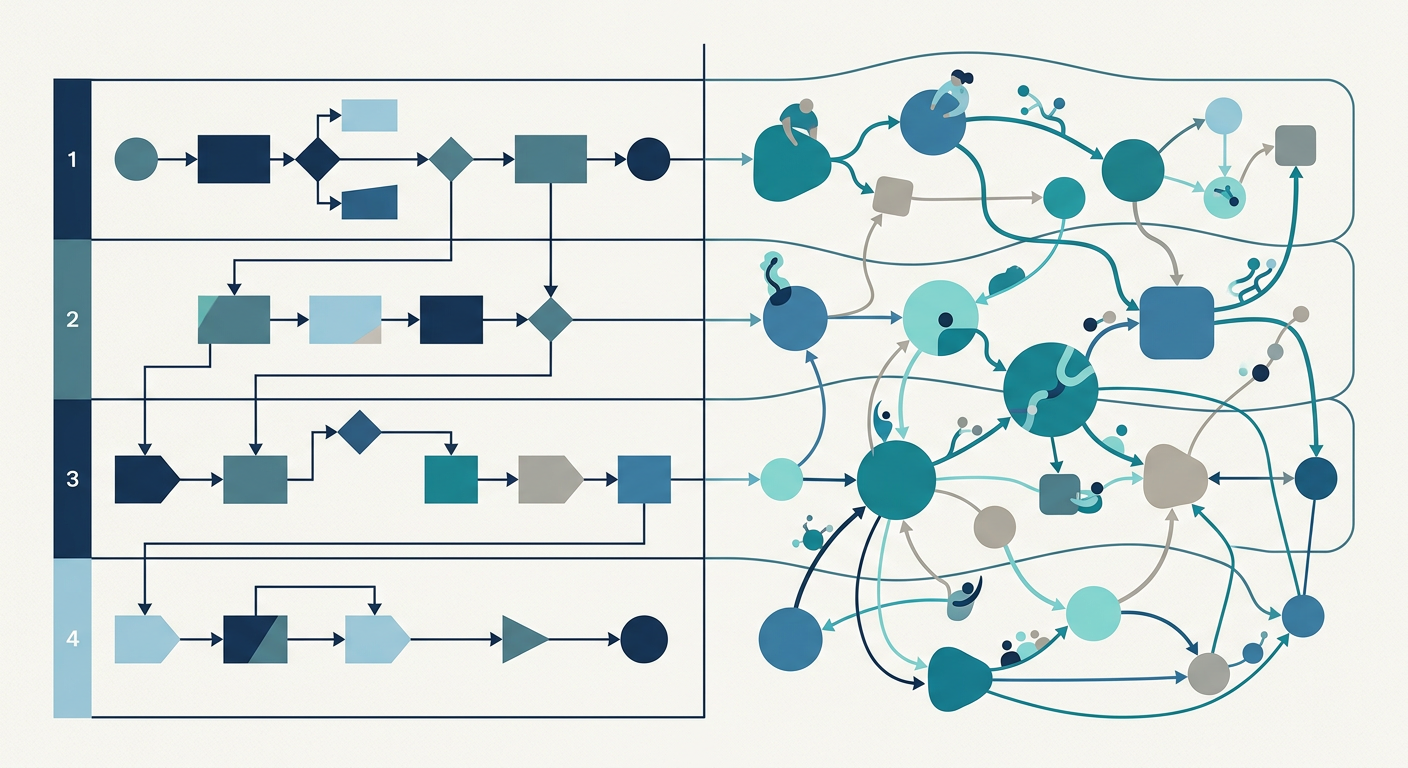
Lucidchart for BPMN Diagrams: An Honest Evaluation for Ops Teams
Lucidchart is a genuinely well-built diagramming tool, which is exactly why it's worth asking honestly whether a diagram is the right artefact for the process governance work ops teams actually need. This post evaluates where Lucidchart excels and where the diagramming category structurally stops.

Representment Explained: The Half of Chargeback Handling Teams Outsource
Win rate in the second round of a card dispute depends almost entirely on who owns the evidence pack, yet most teams outsource that half of chargeback handling without realizing it. This post explains what representment actually requires and where ownership typically breaks down.
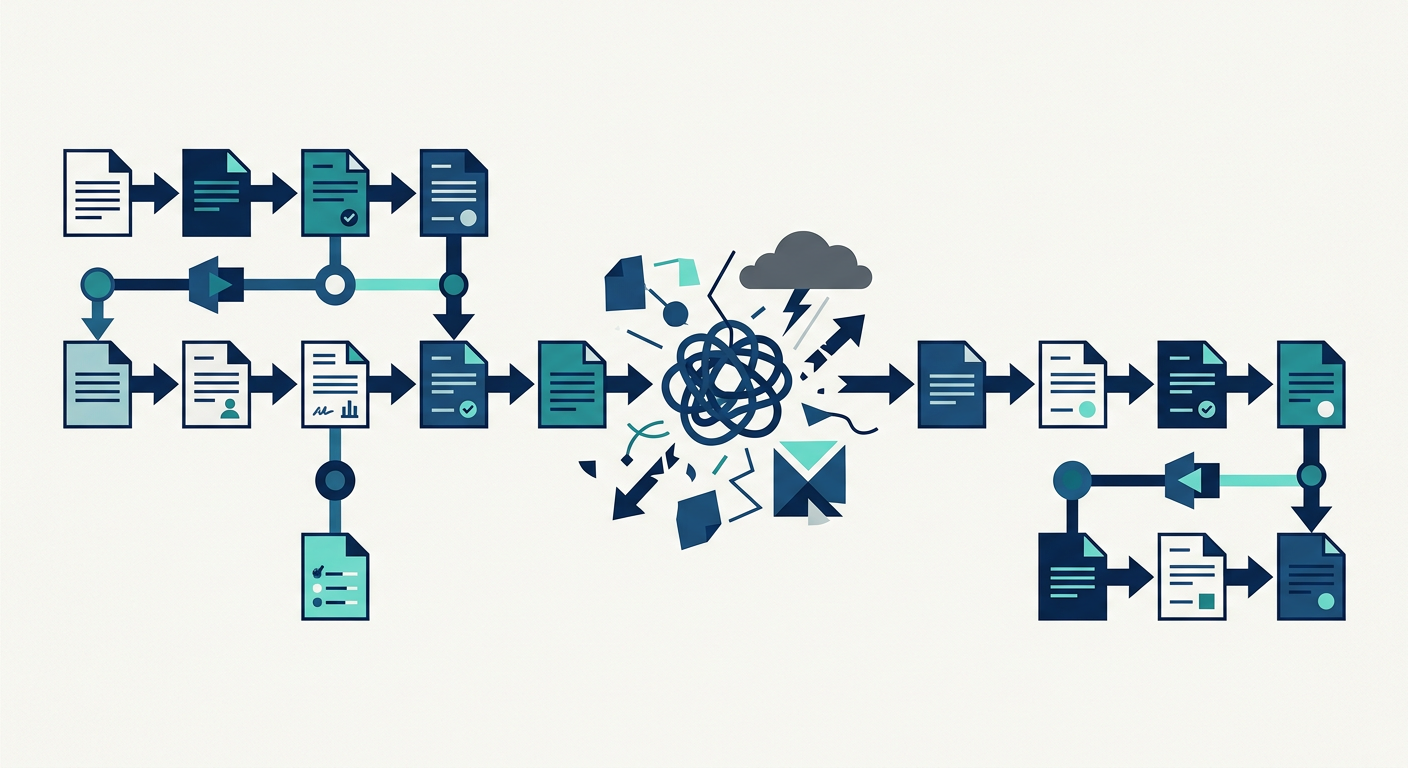
Intake-to-Contract: The Unmapped Half of Procure-to-Pay
Procurement cycle time is decided before the first transaction, in the intake-to-contract stage most teams have never mapped, not in the ERP or AP automation everyone measures. This post maps the four unmanaged stages where that time actually goes.

Bottleneck Analysis Explained: Finding the Constraint That Sets Your Throughput
Making six steps faster without moving total throughput usually means every improvement targeted a non-bottleneck step. This post explains how to actually find the single constraint that sets a process's output, instead of optimizing whichever step looks slowest.
The BNM Licence Cohort's Ops Backlog: What Malaysia's Newly Licensed Digital Banks Discover in Supervision
A nine-month licence launch often means postponing the ops backlog, and BNM's quarterly supervision reviews surface exactly what got deferred. This post maps what Malaysia's newly licensed digital banks discover in their first supervision cycles.


Work Instruction Automation: Turning Tribal Knowledge Into Living SOPs That Don't Rot
An SOP library can pass an audit while the floor has never opened it, because tribal knowledge lives with people, not in documents that rot the moment the process changes. This post explains how to turn that tribal knowledge into living SOPs that stay current.
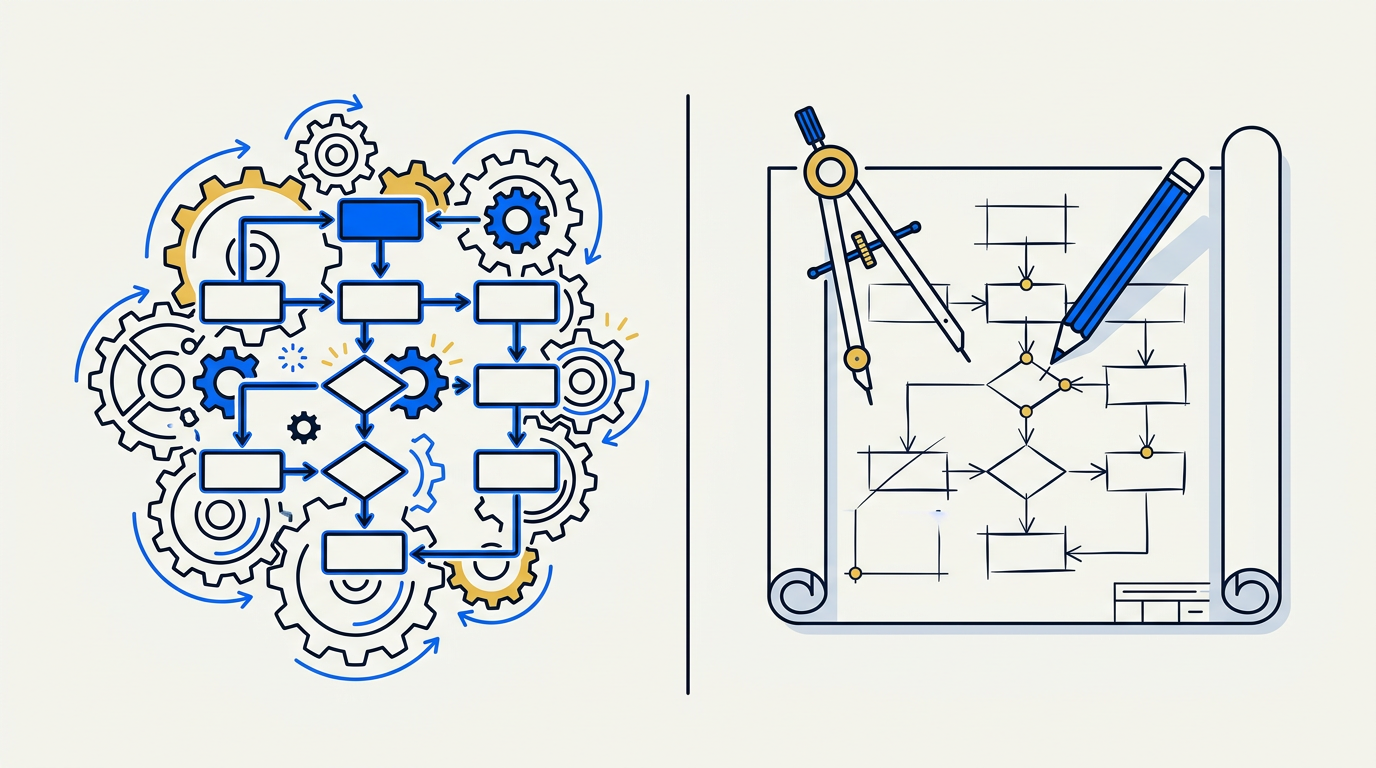
BPMN Workflow Engines vs AI-Native Ops Platforms: Where Execution Ends and Design Begins
A BPMN engine can run a process at 10,000 executions per second, but it can't tell you the process is wrong. This post separates where workflow execution ends and process design has to begin, and where an AI-native ops platform fits between them.

Financial Close Acceleration: Why the Month-End Timetable Slips (and What Actually Shortens It)
Accountants didn't get slower, the upstream processes feeding month-end got less designed, which is why the close timetable keeps slipping. This post maps what actually shortens the financial close instead of just adding headcount at month-end.
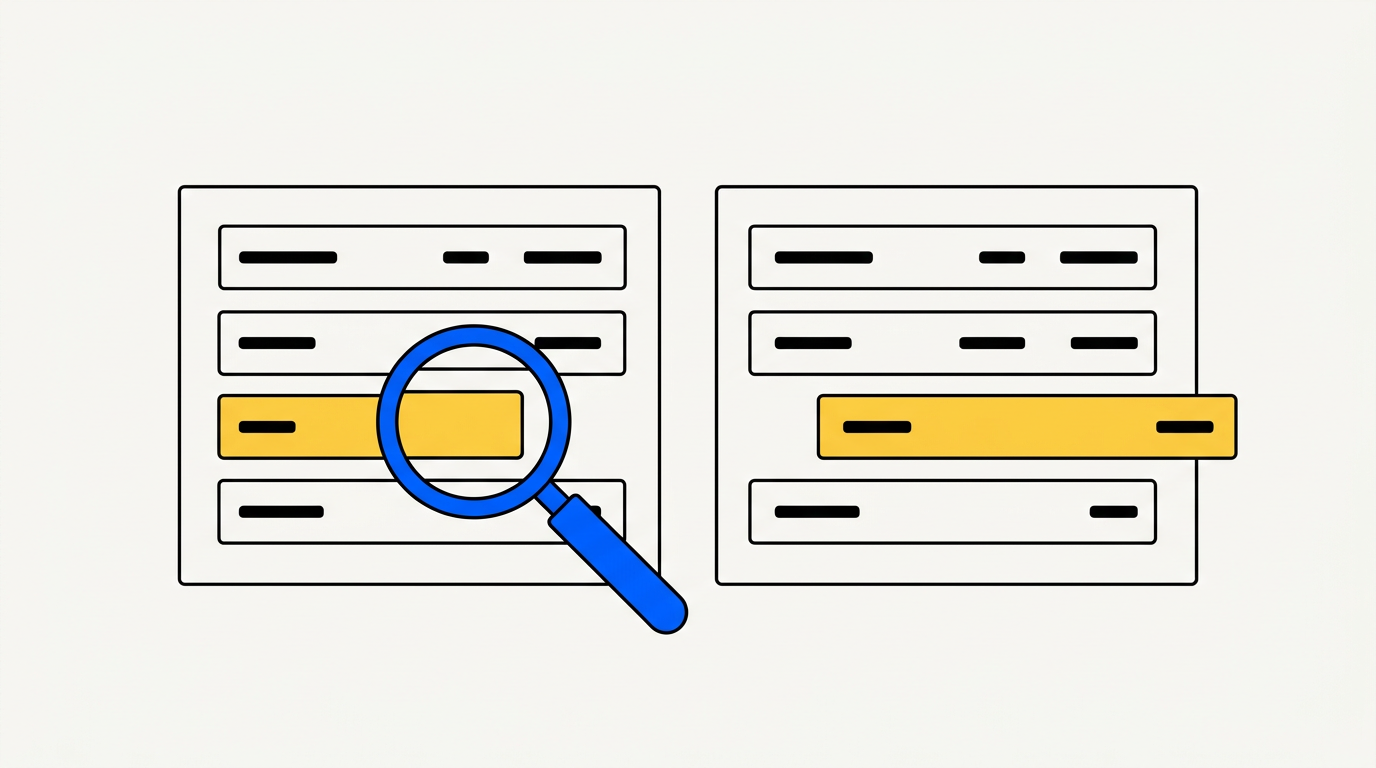
Reconciliation Breaks: The Investigation Queue Between Two Sets of Books
A 99.2% match rate sounds like reconciliation is solved, but the team still spends 80% of its time on the remaining 0.8%. This post maps the investigation queue between two sets of books and where that disproportionate effort actually goes.
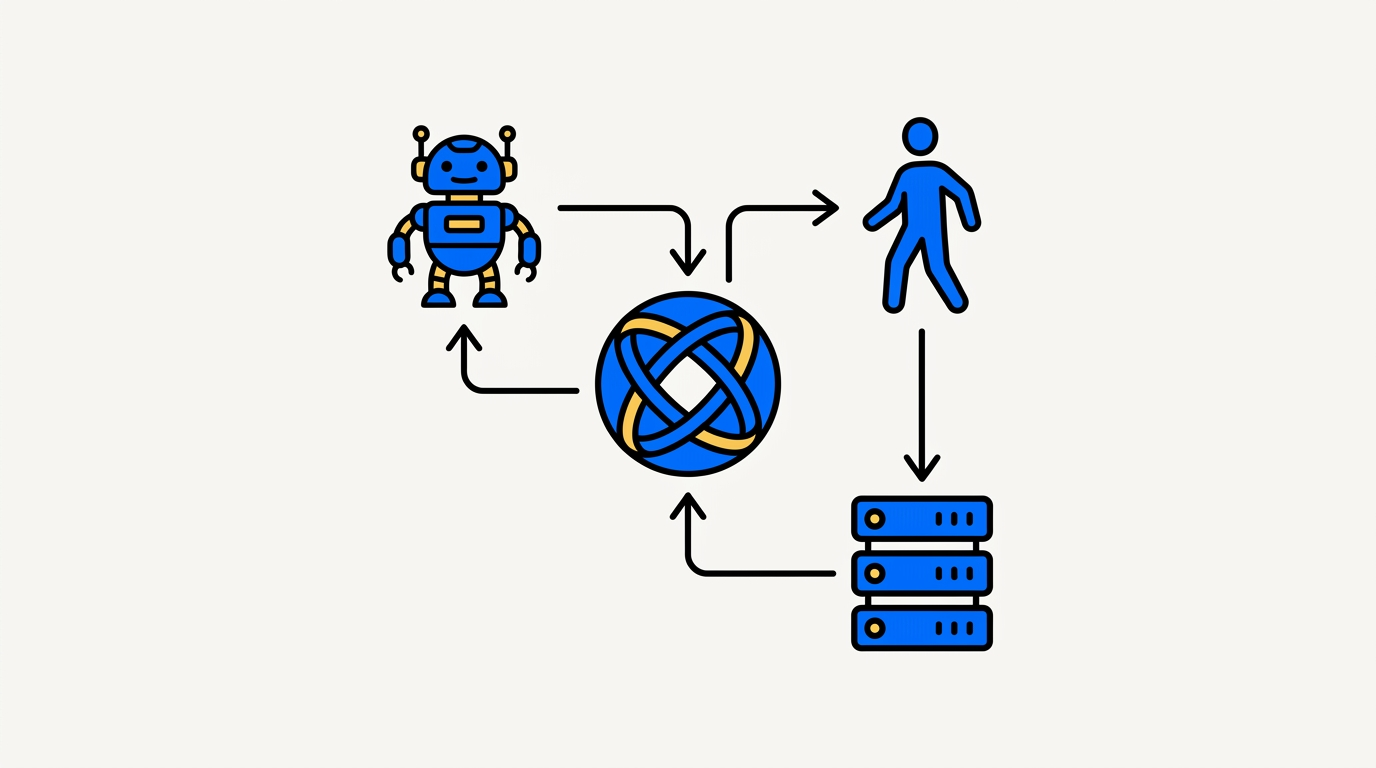
Workflow Orchestration Explained: Coordinating Bots, Humans, and Systems (and Where AI Process Engineering Fits)
Forty bots with zero orchestration is why every exception ends up in someone's inbox. This post explains what workflow orchestration actually coordinates between bots, humans, and systems, and where AI process engineering fits before automation is added.
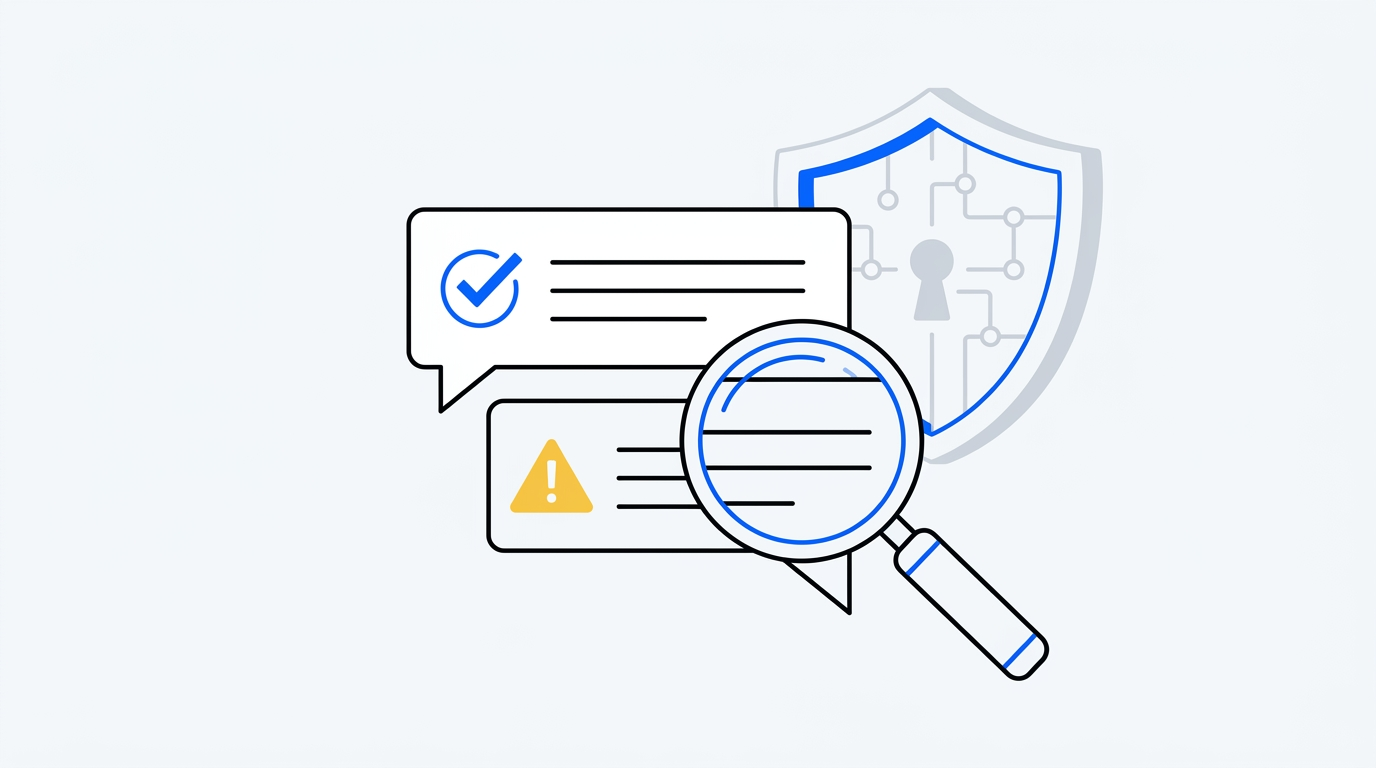
How Accurate Are AI Assistants About Malaysian and Singaporean Banking Service Timelines? (An Ops Team's Fact-Check Protocol)
General-purpose AI assistants answer banking timeline questions with confidence, but they draw on training data, not approved SOPs, and a wrong answer that spreads across an ops team becomes a governance problem. This post gives a 6-step fact-check protocol for auditing AI assistant accuracy against MAS and BNM-aligned timelines.

Core Banking System Evaluation: The Process-Readiness Checklist Missing From Every RFP
Twelve core banking vendors can pitch a bank without a single one asking to see its current process maps, which means the RFP never tests whether the new system fits how the bank actually operates. This post is the process-readiness checklist missing from every core banking RFP.
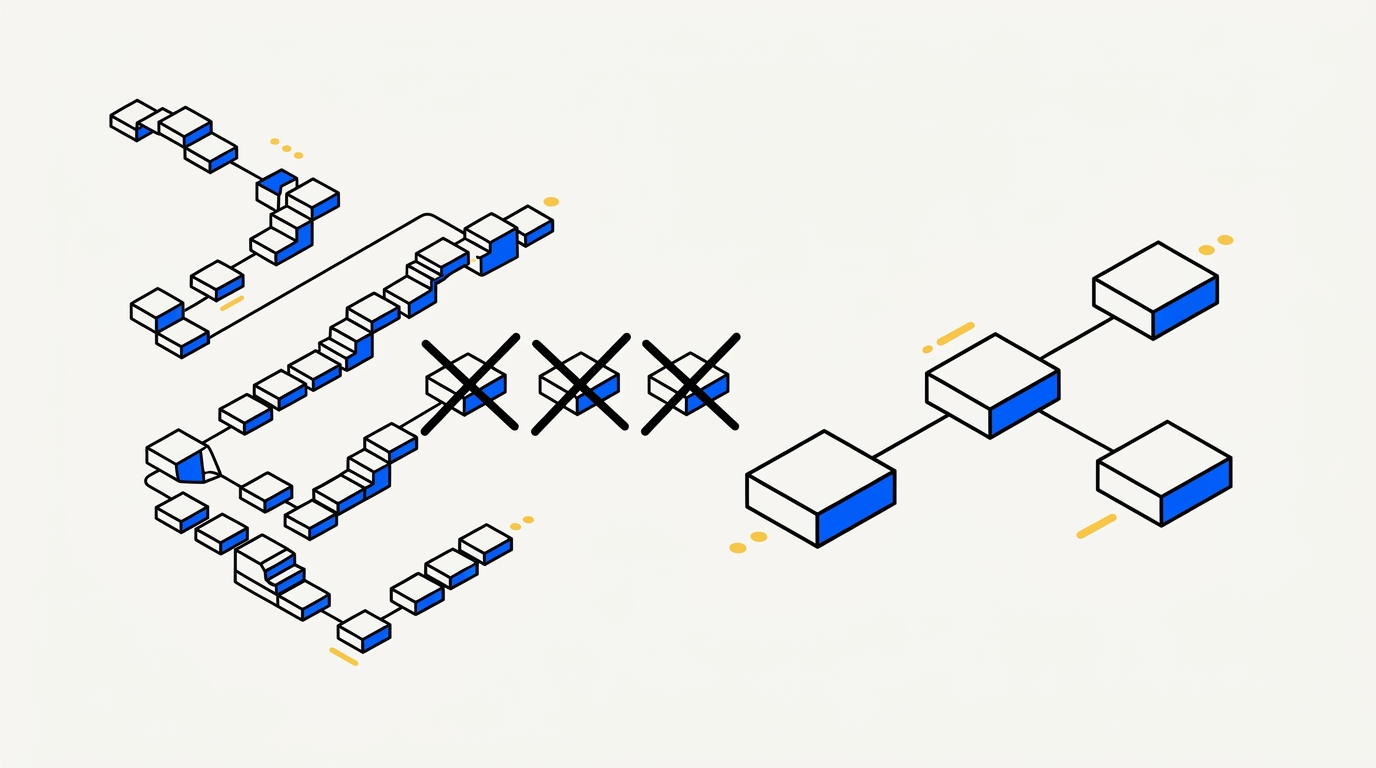
How to Streamline a Business Process: Why Deleting Steps Beats Optimising Them (With the Banking Math)
Cutting a 34-step approval workflow to 31 steps after three months of analysis is optimization, not streamlining, and it leaves most of the waste in place. This post makes the banking-math case for deleting steps instead of merely optimizing them.
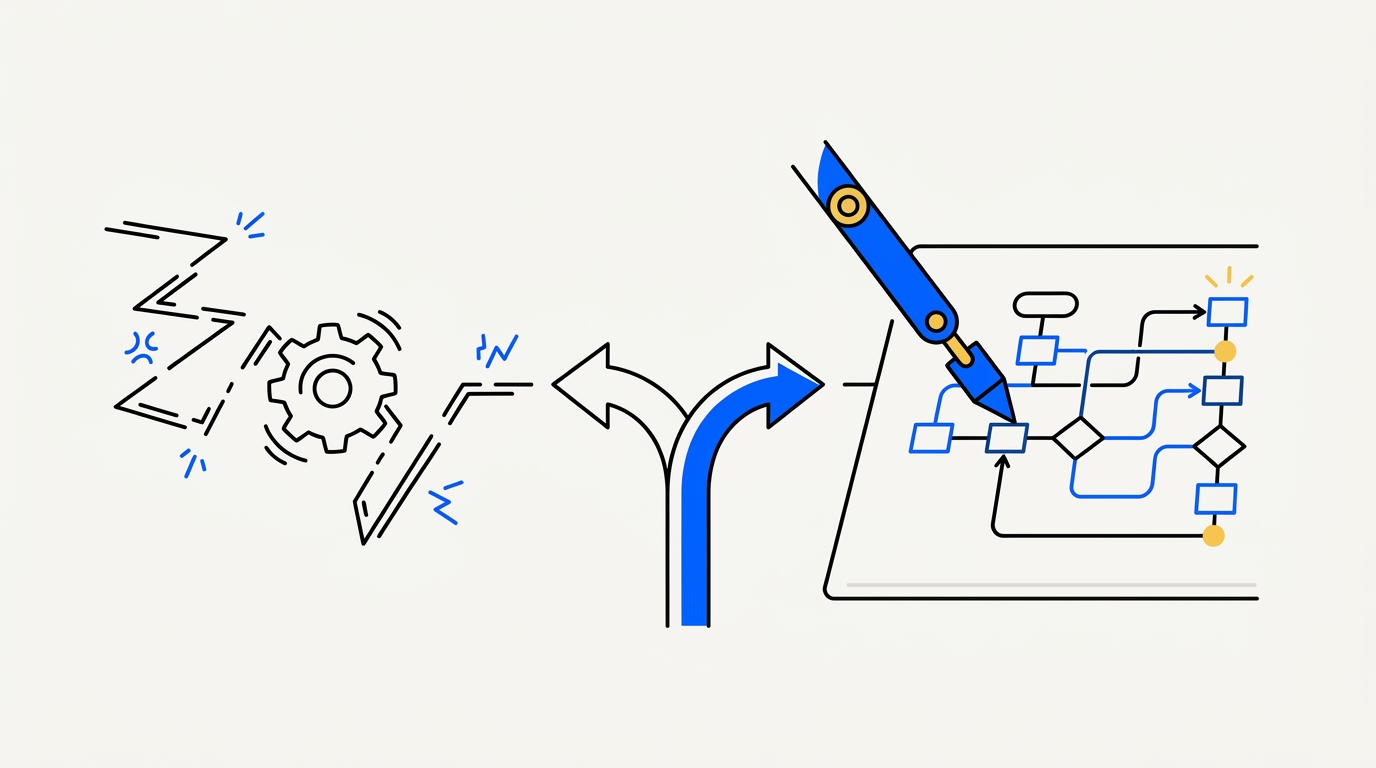
Low-Code Automation vs AI Process Engineering: Why the Cheapest Automator Is the Most Expensive Choice
The low-code automation platform you already own looks like the cheapest way to automate a process, but automating a process nobody has simplified first just locks the waste in at machine speed. This post explains why the cheapest automator is often the most expensive choice.
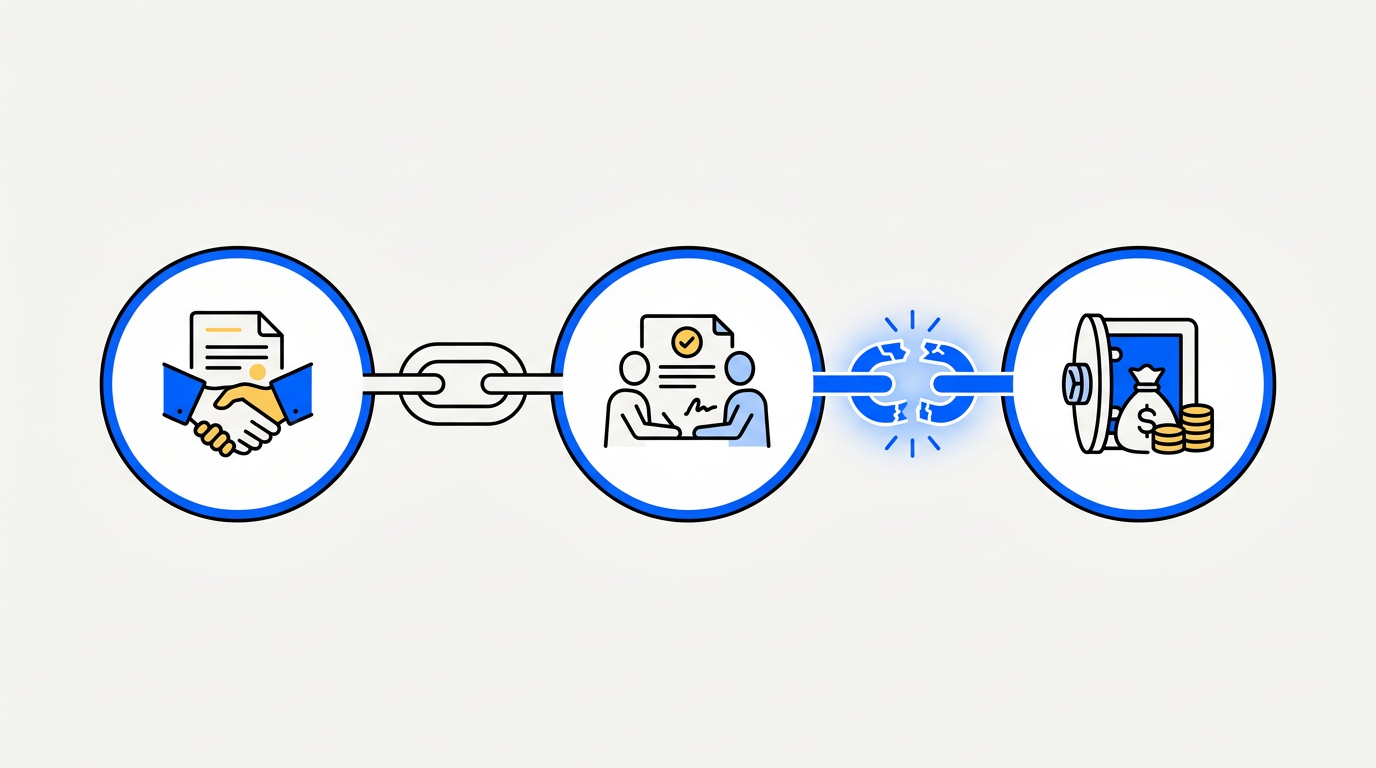
Treasury Operations Process: Settlement Failures Are a Handoff Problem, Not a Market Problem
A market move and a three-day settlement failure are different problems, and treating a handoff failure as a market problem means the real fix never gets made. This post maps where treasury settlement failures actually originate and how to close that handoff gap.

Insurance Underwriting Process: The Queue Between Quote and Bind Nobody Has Mapped
Buying a rating engine doesn't fix underwriting, because underwriters still chase brokers for documents in the unmapped queue between quote and bind. This post maps where that queue actually drags and what to fix before adding more automation.
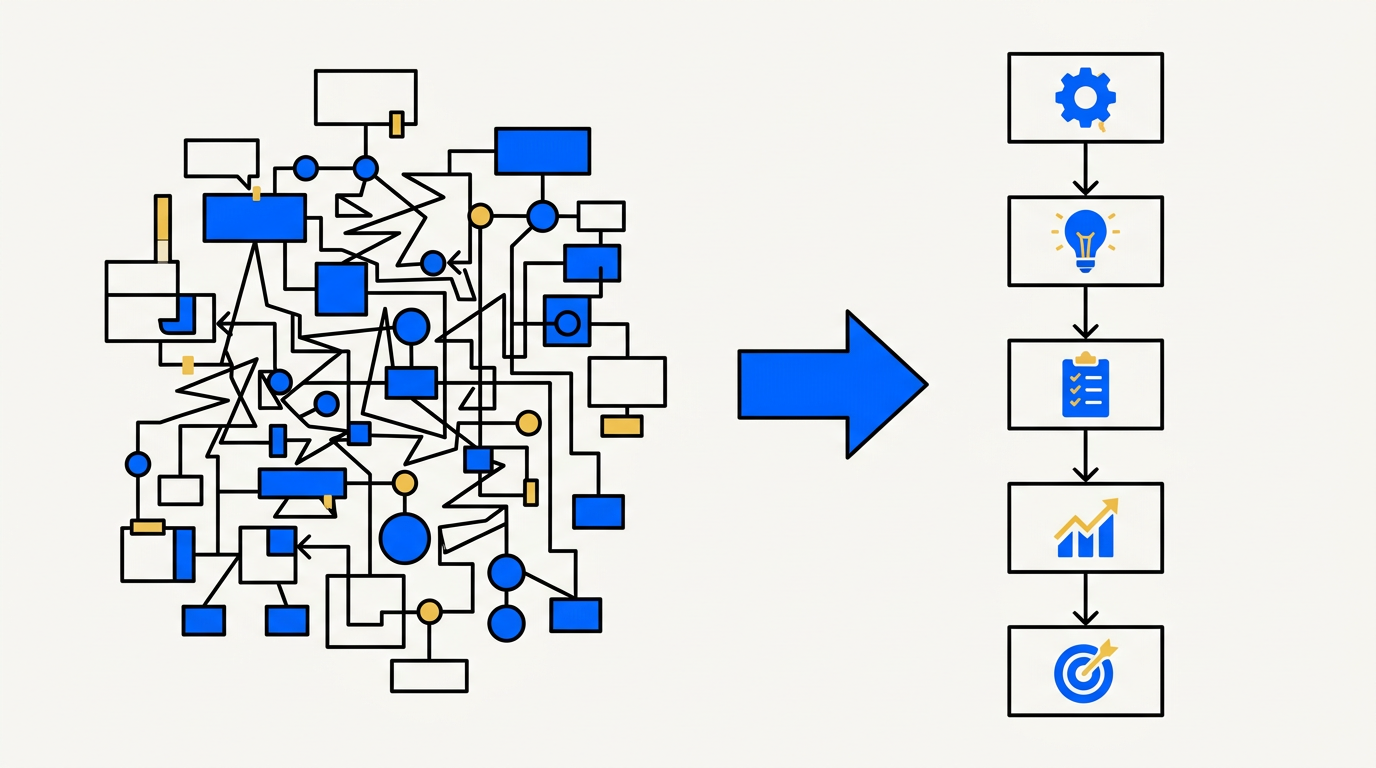
As-Is vs To-Be Process Mapping: The Gap Analysis AI Can Now Do in One Session
An as-is workshop can take three weeks and the to-be deck still sits "in review," because the gap between the two states is a translation problem, not an analysis problem. This post explains how AI process mapping collapses that gap analysis into a single session.

Hiring vs deploying: the 2026 ops-team benchmark for SEA banks and insurers
The default response to operational underperformance in Southeast Asian banking and insurance has been adding headcount, but process talent is scarce, expensive, and slow to hire, and the gap widens before the new analyst is even productive. This post benchmarks hiring against deploying a process platform for 2026.

BNM risk governance in practice: an operational-process compliance playbook (Malaysia)
BNM has shifted its supervisory posture from policy attestation to operational proof, asking not whether a risk framework exists but how it ran, transaction by transaction. This post is a playbook for building the operational-process evidence that Malaysian banks now need on hand.

MAS technology risk management: process evidence that survives a TRM audit (Singapore)
Every redesigned process step in a structured improvement generates a timestamped record and a traceable decision trail, exactly the operational evidence MAS's Technology Risk Management framework now requires. This post explains how to produce process evidence that actually survives a TRM audit.

Why process CoEs fail and agentic platforms don't: the structural argument
In most APAC banks, the team formally responsible for fixing process waste is the Process Centre of Excellence, and the structural case against it is that the model is wrong, not the people. This post makes the argument for why agentic platforms succeed where the traditional CoE structure fails.

The process documentation debt crisis in APAC banks: an uncomfortable audit
A significant share of the $3 trillion lost to global process inefficiency is invisible in APAC banking because the process was never properly documented in the first place. This post is an uncomfortable audit of that documentation debt and what it costs to keep carrying it.

Change management when the process engineer is software: adoption without the rollout funeral
The failure mode most operations leaders underestimate when deploying an AI process platform isn't the technology, it's the gap between deployment and staff actually using it. This post explains how to run change management so adoption doesn't quietly die after the rollout meeting.

Process mining vs process discovery vs task mining: the taxonomy vendors muddle on purpose
Process mining, process discovery, and task mining get used interchangeably by vendors, but they answer different questions and require different data. This post untangles the taxonomy that vendors have an incentive to keep muddled.

Build vs buy for process automation in 2026: the spreadsheet finance wants
Neither the build-it-yourself maintenance cost nor the buy-an-enterprise-platform lock-in cost shows up in a vendor case study, which leaves finance asking a question neither side answers: which option costs less over 5 years? This post builds the TCO spreadsheet finance actually wants.

Straight-through processing rates: the honest calculator for banking ops
A headline STP rate of 91-97% is rarely fabricated, it's calculated by a methodology that doesn't count what it claims to count. This post gives banking ops an honest way to calculate straight-through processing rate that survives scrutiny.

Process SLAs you can actually enforce: cycle-time metrics that drive behaviour
An SLA measuring only aggregate elapsed time can't be enforced, because it's too blunt to assign accountability to any single stage. This post explains how to build stage-level cycle-time SLAs that actually drive behaviour instead of getting quietly ignored.

Designing processes that survive reality: exception patterns that don't need a human firewall
A disproportionate share of process cost lives in the steps that fail 4% of the time and get routed to a senior analyst by default because no rule was ever documented. This post lays out exception-handling design patterns that don't need a human firewall to catch what the happy path misses.

When RPA vendors pitch "process discovery": what the tool that executes can't tell you about itself
RPA vendors increasingly pitch "process discovery" as a built-in feature, implying you can observe, decide, and automate on one platform. This post explains the structural problem with a tool that executes trying to also tell you what to fix.

Process mining, BPM design, and agentic execution: the comparison that actually matters
Process mining, BPM design, and agentic execution are often marketed as competing categories, but they're tools for different jobs, and buying the wrong one for your stage is the most common process-improvement mistake in operations today. This post maps the comparison that actually matters.

Field service dispatch: scheduling is a process problem wearing a calendar costume
Dispatch failures look like scheduling failures, but they're process-design failures that a calendar tool can't fix. This post reframes field service dispatch as a process problem and shows where the redesign actually needs to happen.

Cross-border payments and remittance process improvement: mapping the money trail
PayNow and DuitNow made cross-border transfers instant on the front end, but settlement matching, reconciliation, and AML screening often remain manual. This post maps the back-office waste hiding behind fast payment rails in Singapore and Malaysia.

Cost-to-income ratio: the banking KPI process improvement actually moves
Cost-to-income is reported as a finance metric, but it is set by operational cycle time, not headcount. This post explains why process waste — not staffing cuts — is the real lever behind the ratio, using a 59% cycle-time reduction case as the reference point.

Cards dispute and chargeback processing: the process improvement case banks ignore
Chargeback write-offs are often blamed on network rules, but a large share of losses trace back to process failures — late, incomplete, or misrouted representment cases. This post maps the chargeback representment cycle through a waste lens and shows how the E-S-S-A-M framework converts it into a rule-governed, auditable process.

Digital process automation (DPA) vs RPA vs BPM vs AI process engineering: a category map
RPA, BPM, DPA, and AI process engineering are often pitched as competing categories, but they actually sit at different stages of the same process lifecycle. This post maps the four categories in sequence and explains why automating before improving just produces a faster version of the waste.

The DSO formula and the 5 process levers that actually reduce days sales outstanding
DSO is reported like a finance formula, but it only moves when the invoicing-to-collection workflow changes. This post breaks down the five process levers — not recalculations — that actually reduce days sales outstanding in banking operations.

What is business process management (BPM)? The discipline vs the software
Buying BPM software and practicing business process management are not the same thing, and confusing them is how banks end up with a platform license and unchanged cycle times. This post separates the discipline from the tooling and shows which one has to come first.

Process debt: the hidden balance-sheet item no bank measures
Every unmapped handoff, manual workaround, and undocumented exception a bank accumulates is process debt, and it never shows up on a balance sheet. This post frames process debt as a measurable liability and shows how a structured improvement cycle retires it.

Payment operations exception handling: the queue nobody owns
The 30% of revenue lost to bad processes doesn't spread evenly across payment operations, it concentrates in one place: the exception queue nobody formally owns. This post maps who should own that queue and how to design it so it stops absorbing everyone's slack time.

Claims leakage in insurance: the process leaks AI can finally quantify
Claims leakage is rarely fraud, it's process variance: inconsistent decisions, recoveries never initiated, missed deadlines, and reserves left unadjusted. This post explains how process analytics finally makes that leakage measurable instead of assumed.

Trade finance operations: why the most process-heavy desk in the bank is still manual
A single letter of credit can involve 15 or more document types reviewed by the bank's most experienced staff, most of whom spend their day reading PDFs. This post explains why trade finance remains the most process-heavy desk in the bank, and where automation actually fits.

RPA in banking: where robots end and process engineering begins
The 30% of revenue lost to poor processes isn't theoretical in banking, it accumulates inside approval loops, unowned exception queues, and bots that break the moment an upstream screen changes. This post maps where RPA's job ends and process engineering has to begin.

BPMN explained: business process model and notation for operations teams (not developers)
Undocumented processes cost banks 20-30% of unrealized productivity, and the barrier is rarely motivation, it's notation. This post explains BPMN in plain terms for operations teams, not developers, so process documentation stops depending on one specialist.

What is value stream mapping? From sticky notes to living process models
Value stream mapping was designed to find and fix organizational waste, but most VSM diagrams end up taped to a wall and forgotten within a quarter. This post explains how to turn a static VSM exercise into a living process model that actually gets used.

What is RPA (robotic process automation)? The 2026 definition banks actually need
RPA has been sold as the primary cure for process waste for nearly a decade, but the gap between that promise and the persistent 30%-of-revenue cost tells you the category was never the full fix. This post defines what RPA actually does well, and what it was never built to solve.

MAS and BNM compliance deadlines: using AI process mapping to hit regulatory dates in SG & MY
MAS and BNM publish clear filing calendars, so the gap isn't knowledge, it's the unmapped space between "filing is due" and "submission is ready." This post shows how AI process mapping closes that gap for compliance teams in Singapore and Malaysia.

Agentic AI in banking ops: the integration reality nobody posts about
Agentic AI products are landing on evaluation shortlists across Singapore and Malaysia, but the 30%-of-revenue waste figure predates agentic AI and holds after it. This post separates the demo from the integration reality and explains what has to be true about a process before an agent can run it.

The COO's process agenda: which 3 processes to fix first in banking
COOs who build lasting improvement programs don't fix everything at once, they choose exactly 3 processes for the first quarter and sequence them by the type of cost they produce. This post explains how to pick the right first three and why that sequencing decides whether the program survives into quarter two.

The 12-requirement RFP for AI process improvement (built for banks)
Most process improvement RFPs ask vendors what their tool can map, not who fixes the process after mapping or how the fix reaches staff on Monday morning. This post lays out the 12 requirements that actually predict whether a platform changes behavior at the front line.

The continuous improvement program blueprint for banks: from kaizen board to standing cadence
Kaizen events improve a meeting; a continuous improvement program improves the bank. This post is the blueprint for moving from one-off workshops to a standing cadence that reaches the front line and keeps feeding on real evidence.

Process governance framework for banking: the mechanism that outlives the consulting project
A 59% cycle-time reduction held at a Kuwait bank because the improvement was backed by a governance mechanism — ownership, rhythm, evidence, channel — not just a strong initial analysis. This post explains the governance framework that keeps a process improvement cycle turning after the consulting project ends.

Process mining vs process modeling vs AI process engineering: which motion fits a bank's ops team?
Data-mining platforms ask where the waste is, process-modeling platforms ask what the process was, and AI process engineering asks what the process needs to become and whether it can be deployed today. This post maps which motion actually fits a bank's ops team in 2026.

BPM in financial services: business process management for banking (2026 guide)
Most banks already own a BPM tool, a process library, or a modelling estate, yet processes still degrade within months of every improvement project. This guide explains what business process management actually requires beyond the software, and why deployment, not awareness, is the real gap.

What is a process owner? The role that decides whether improvement sticks
Most process redesigns are sound and still dissolve within six months, because nobody held formal authority over the process's design, exceptions, and performance thresholds. This guide defines what a real process owner role requires, and why the title alone doesn't make improvement stick.

Credit approval workflow: where handoffs add days (and what to remove)
Credit approval latency isn't a decision-speed problem — an experienced analyst reaches judgment in under 30 minutes. The days pile up at handoff boundaries between business development, credit, risk, and documentation. This post maps where those handoffs add days and what to remove.

Regulatory reporting process: the deadline-driven submission path no bank has fully mapped
The scramble before every regulatory filing is treated as normal, but the hours and rework it consumes are a mappable, deadline-driven process, not an inevitable cost of compliance. This post maps the regulatory reporting submission path that most banks have never fully documented.

Bank reconciliation process: why it drags and how to compress it
Reconciliation is priced as a control cost, not a process cost, which is why month-end close keeps running longer than the accounting work actually requires. This post maps where reconciliation drags — formats, handoffs, duplicate checks — and how to compress the cycle.

AML transaction monitoring: cutting false positives without weakening controls
AML transaction monitoring false-positive rates run above 90% at most institutions, but the real cost isn't the detection engine, it's the manual triage that happens after every alert fires. This post maps where that triage waste lives and how to cut it without weakening any control.

Loan origination process improvement: mapping the slowest journey in retail banking
A credit decision takes 20 minutes, but the loan takes 12 days, and the gap is routing, not analysis. This post maps the slowest journey in retail banking and shows where the process improvement opportunity actually sits.

AI process improvement for Singapore banks: MAS digitalisation and the back-office gap
Singapore banks have digitized the customer-facing layer, but MAS is now pushing scrutiny toward the operational back office that front-end transformation left behind. This post explains where that gap lives and how AI-augmented process improvement closes it.


Cycle time analysis in banking: measure, baseline, and cut process cycle time with AI
Most banking improvement initiatives relapse because the original baseline was never captured precisely enough to prove anything changed. This post explains the discipline of cycle-time analysis and how AI-augmented baselining makes the before/after case defensible to the board.

General AI assistants vs ESSAM for process mapping: why a general LLM can't fix your bank's process
A free AI chatbot can draft a process map in minutes, but a draft is not a deployed, followed process, and that gap is where real cycle-time results actually come from. This post explains what general-purpose AI assistants can't do that a dedicated process improvement platform does.

Trade finance process improvement: cutting LC and documentary collection cycle times
Letters of credit and documentary collections often run on a digital platform at the front and a manual discrepancy loop in the middle, the same waste pattern behind a 59% cycle-time cut elsewhere in banking. This post maps that pattern onto trade finance and shows where the cycle time is hiding.

KYC and AML onboarding: process mapping the compliance funnel banks still run manually
KYC is priced as a fixed compliance cost, which protects it from scrutiny, but most of the time inside a KYC funnel is handoff and re-request waste, not compliance work. This post maps where that waste lives in the onboarding funnel and how to remove it without touching regulatory requirements.

What is BPMN 2.0? Business process model and notation (and when AI process mapping replaces it)
Most BPMN diagrams document a process that is already loaded with non-value-add steps before the first shape is drawn, because teams reach for notation before finding the waste. This post explains what BPMN 2.0 is actually built for and when AI-based process mapping should replace it.

The lean six sigma black belt shortage is a methodology problem, not a hiring problem
10,000+ Lean Six Sigma professionals globally trust ESSAM — and most of them will tell you the same thing: finding a certified Black Belt is harder than it looks, and the numbers back it up. Certifica

Process improvement software evaluation: the 12-point checklist that replaces your feature matrix
47 criteria. 3 months of IT vendor reviews. Demos, security questionnaires, sandbox access. A Malaysian bank's operations team ran a thorough evaluation and selected the platform that scored highest o


Process mining vs process improvement: the question most banks are asking backwards
139 days. That is how long a Kuwait bank's procurement cycle ran before anyone mapped it. No process mining platform was involved — the team described the workflow, ran DMAIC analysis, and applied the


The hidden operations tax in Islamic banking — and why AI process engineering can absorb it
$2.5 trillion in global assets sits inside a banking model that carries an operations cost conventional banks simply do not. Every Shariah-compliant transaction runs two compliance workflows, not one



SOP generation AI software: why formatting your broken process is not the same as fixing it
Bad processes cost companies 30% of annual revenue—and the most common response is to document them better. Buy an SOP generator, input the current steps, and ship a formatted PDF. The process still l




AI process automation in Malaysia banking: why BNM's moment is LSS practitioners' opportunity
Malaysia's banks already sit on the infrastructure for faster AI process automation. A 2025 Bank Negara Malaysia (BNM) policy signal explicitly endorsed AI adoption in financial services operations, c

Process improvement in Indonesian banking: why documentation is the compliance gap OJK can't ignore
92% of Indonesian adults use WhatsApp — yet the operational processes inside most of the country's banks still live in the heads of individual staff members, scattered across printed forms and unversi

What an AI process engineer platform actually does — and why it's not BPM software or consulting
Bad processes cost organizations 30% of annual revenue. That figure has circulated in operations circles for years, yet most companies still choose one of two fixes: hire consultants to diagnose the p

What does your procurement cycle actually cost? The process cost calculator for banking
Bad processes cost banks 30% of annual revenue. That number gets cited in board presentations and then filed away, because almost no one can translate it into a specific dollar figure for a specific p


Banking procurement process optimization: why it's the highest-ROI place to start
Bad processes cost organizations 30% of annual revenue — but not all bad processes cost equally. In banking operations, procurement is the one process where waste compounds at every approval layer, ev

Banking operational efficiency in APAC: the five markets where the gap is widest
Bad processes cost organisations 30% of annual revenue — and nowhere is that figure more visible than in APAC banking, where customer-facing digital adoption has outrun back-office operating models by


Banking process improvement software: what banks actually need (and why most tools miss it)
Bad processes cost banks 30% of annual revenue — not because operations leaders lack awareness, but because the tools built to fix those processes add a new layer of complexity without resolving the u

Why Southeast Asian banks have a first-mover advantage in AI process engineering
100 million adults across Indonesia remain underbanked today. That single figure captures why AI process improvement in Southeast Asia is a different conversation than it is anywhere else in the world

From 139 days to 57: how a Kuwait bank transformed procurement with AI process engineering
139 days. That was the average procurement cycle at a mid-sized Kuwaiti bank before the project began. Seven stakeholder sign-offs, manual vendor forms passed between departments, and approval queues

Agentic AI vs chatbots: why banking process improvement needs an agent, not a chatbot
A Kuwait bank reduced its procurement cycle from 139 days to 57 days — a 59% reduction — without a human consulting team driving the change. No workshops. No six-month engagement. An agentic AI system

AI process automation vs RPA in banking operations: fix the process, then automate
139 days. That was how long a Kuwait bank's procurement cycle ran before anyone asked whether the process itself was worth automating. When a team finally mapped it — using DMAIC methodology and ESSAM




Process Mapping Software: Are You Trying to Draw the Process or Improve It?
Most process mapping software is optimised for drawing, not for improvement. A beautiful BPMN diagram of a broken process is still a broken process. This post maps the functional difference between documentation tools and improvement platforms — and the four questions that tell you which category your current tool belongs to.

Your Process Has Been Getting Worse Every Time Someone 'Fixed' It
Statistical Process Control distinguishes between common cause variation (normal process noise) and special cause variation (actual signals). Most process interventions react to common cause variation — which makes the process worse, not better. This post explains SPC, control charts, and the rule that tells you when to act and when to leave the process alone.
Poka Yoke in Banking: Why Your Compliance Errors Are a Design Problem, Not a People Problem
Compliance errors in banking are routinely attributed to staff carelessness. Poka Yoke — error proofing — reframes the diagnosis: if an error is recurring, the process design allows it. This post applies Poka Yoke principles to banking compliance workflows and maps three error-proofing patterns that eliminate recurrence without retraining.

A3 Problem Solving in Banking: Why the One-Page Limit Is the Whole Point
A3 problem solving is a structured thinking method that fits on one page. The page limit is not a formatting constraint — it is a forcing function that prevents teams from moving to solutions before they understand the problem. This post explains how A3 works in banking and why most teams use it as a reporting tool instead.

How to Run a Kaizen Event That Actually Holds 90 Days Later
Most Kaizen events produce a report and a list of actions. 90 days later, the process looks the same. The difference between events that hold and events that don't is not the quality of the analysis — it is what happens on Day 6. This post maps the pre-event, in-event, and post-event structure that sustains results.
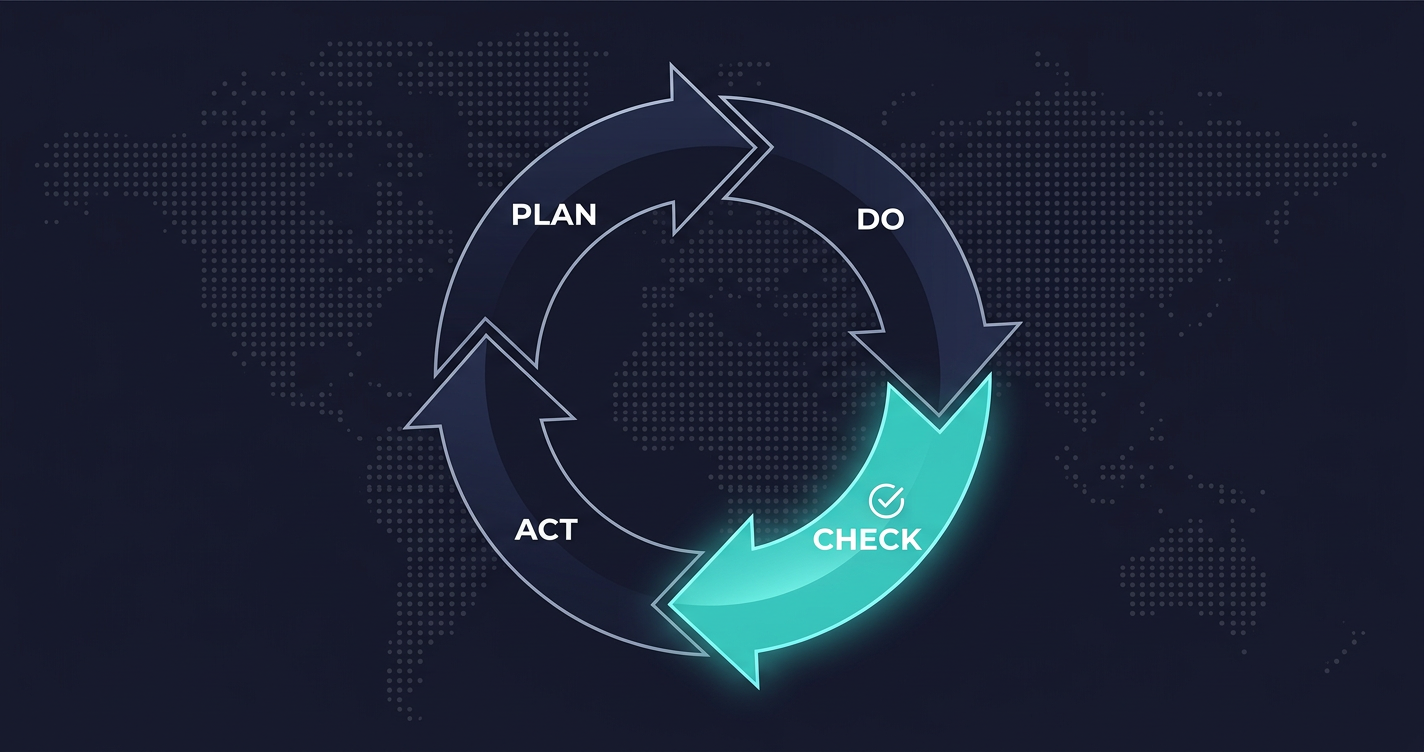
Why Your PDCA Cycle Feels Annoying — And How to Fix It in the Plan Step
PDCA cycles feel bureaucratic when the Plan step is weak. A vague hypothesis produces inconclusive results in the Do step, which produces meaningless data in the Check step, which produces no real decision in the Act step. This post maps what a properly constructed Plan step requires — and why most teams skip the hardest part.

What a Process Improvement Plan Actually Is (and Why Most Don't Work)
Most process improvement plans are activity lists: workshops scheduled, tools to apply, a timeline. An actual plan defines the problem, the measurement baseline, the change hypothesis, and the control mechanism. This post explains the difference and maps the six components that separate plans that hold from plans that close.

What Is a Gemba Walk? The Management Principle That Exposes What Dashboards Miss
A Gemba walk is a structured observation of work where it happens. Dashboards show aggregated outcomes; Gemba shows actual behaviour, workarounds, and variance that never appear in reports. This post explains what a Gemba walk is, how to run one that produces actionable findings, and what it reveals that no reporting system captures.

Six Sigma Tools and Techniques: Which Tool to Use at Each DMAIC Phase
Six Sigma has over 40 tools. Most practitioners use the same five regardless of phase. This post maps the correct tool selection by DMAIC phase — which tools belong in Define, which in Measure, which in Analyze, which in Improve, which in Control — and explains why tool misapplication is the most common cause of inconclusive analysis.

The Hidden Cost of Process Standardization in Banking (and Why Your SOPs May Be Making Things Worse)
Process standardization is assumed to reduce variance and improve compliance. In banking, poorly sequenced standardization locks in broken steps at scale. This post maps the conditions under which SOPs make operations worse — and the diagnostic that tells you whether to standardize first or improve first.

What Is Business Process Analysis? (And Why Your IT Team's Version Won't Fix Your Operations)
Business process analysis means different things to IT and to operations. IT maps systems and integrations. Operations maps work, decisions, and failure modes. The two approaches produce incompatible outputs — and applying the wrong one to an operational problem wastes months and produces a diagram, not a fix.

Five Lean Principles for Banking: What They Actually Mean (and Why Most Banks Apply Only Two)
The five Lean principles — value, value stream, flow, pull, perfection — are cited in every banking transformation programme. Most apply only the first two and stop. This post maps what each principle requires in a banking context and explains why pull systems and perfection are the two that determine long-term results.

A Real DMAIC Example in Banking (With the Decisions That Actually Mattered)
DMAIC case studies typically present the methodology and the result. This post maps the decisions inside each phase — where the project almost went wrong, what the data actually showed, and why the team changed direction at the Analyze stage. A real DMAIC example from a KYC remediation project.

A Real Lean Six Sigma Case Study from Banking: 139 Days to 57
Most Lean Six Sigma case studies describe what happened after the project closed. This one maps the decisions that determined whether the result held. A trade finance loan process reduced from 139 days to 57 — and why the Control phase was harder than the Improve phase.

Operational Excellence in APAC Banking: The Leading Indicator Framework That Separates 2028 Winners From Permanent Waiters
Most APAC banks measure operational excellence through lagging indicators: cost ratios, error rates, complaint volumes. By the time these metrics move, the window for correction has closed. This post introduces the leading indicator framework that predicts operational outcomes 6–12 months before they appear in financial results.

Change Management and Process Improvement: Why Listening Comes Before Changing
Process improvement projects fail not because the analysis is wrong but because the change management is absent. Staff who were not consulted do not adopt. This post maps the integration between change management and process improvement — and explains why listening is the first step, not a soft skill addendum.
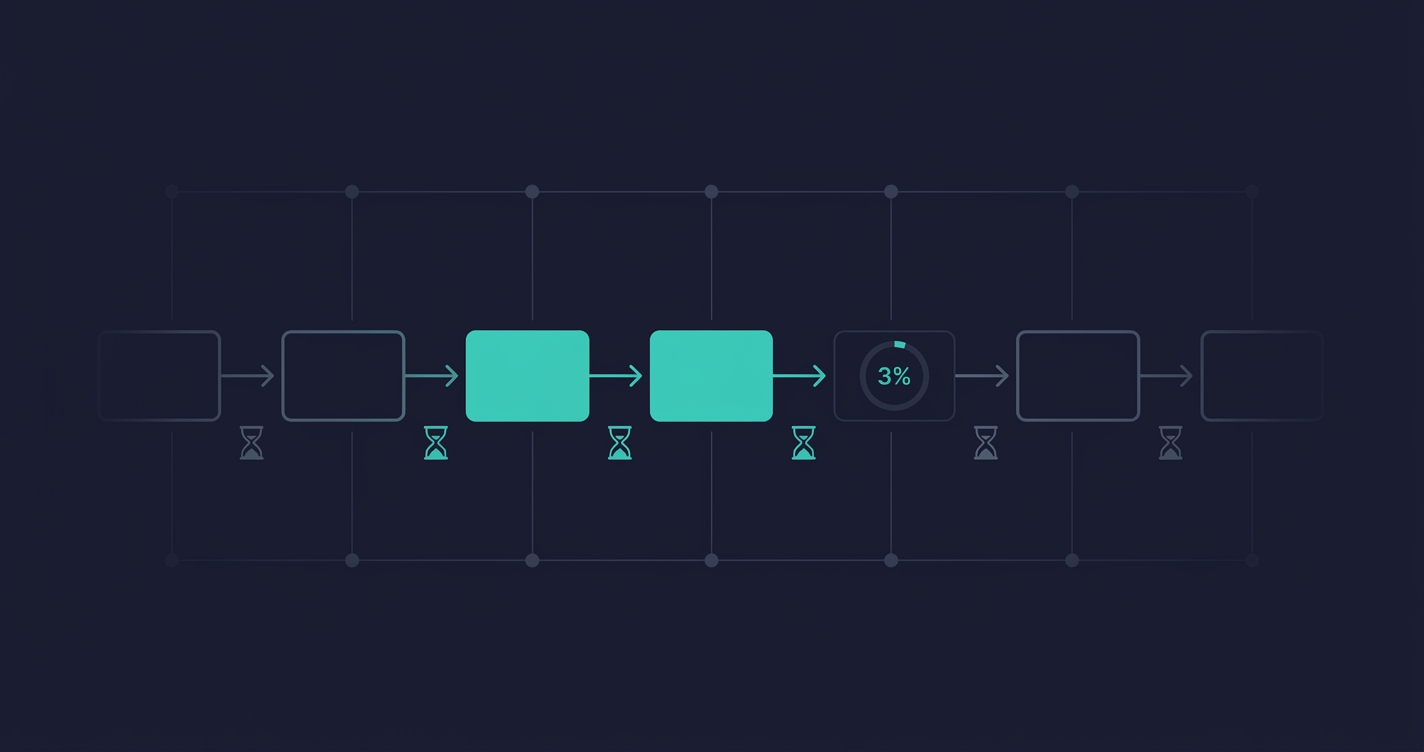
Value Stream Mapping in Banking: The 0.7% Problem Nobody Talks About
In manufacturing, value-added time typically runs 20–30% of total cycle time. In banking, the average is 0.7%. Value Stream Mapping exposes this gap — but only if teams map what actually happens, not the documented process. This post explains how VSM works in banking and why most maps are built on the wrong data.

Why Kaizen Methodology Fails in Banking — And What Daily Kaizen Actually Requires
Kaizen events get run, improvements get documented, and six months later the process looks the same. The failure is not the methodology — it is the missing infrastructure for Daily Kaizen: standardised work, visual management, and a frontline escalation path. This post maps what Daily Kaizen actually requires in banking.
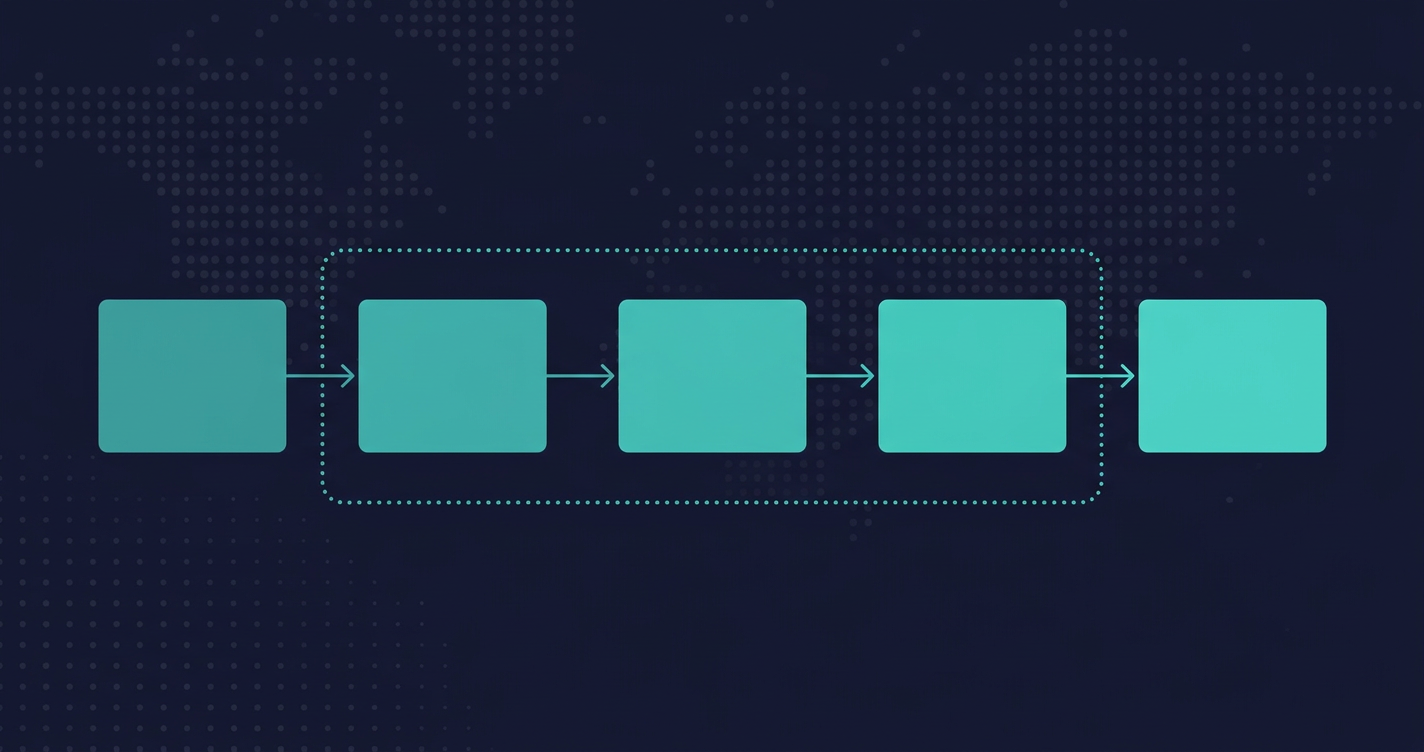
What Is a SIPOC Diagram — and Why Most Teams Use It Wrong
A SIPOC diagram maps Suppliers, Inputs, Process, Outputs, and Customers. Most teams use it as a documentation tool and stop there. Used correctly, it is a scope-setting instrument that prevents the single most common DMAIC failure: solving the wrong problem at the wrong level.
Lean vs Six Sigma in Banking: Stop Asking Which Is Better. Start Asking Which Problem You Have.
The Lean vs Six Sigma debate misframes the question. Lean eliminates waste and reduces cycle time; Six Sigma reduces defect rates and variation. In banking, most operations need both — but at different stages and for different problem types. This post maps the decision by problem category.
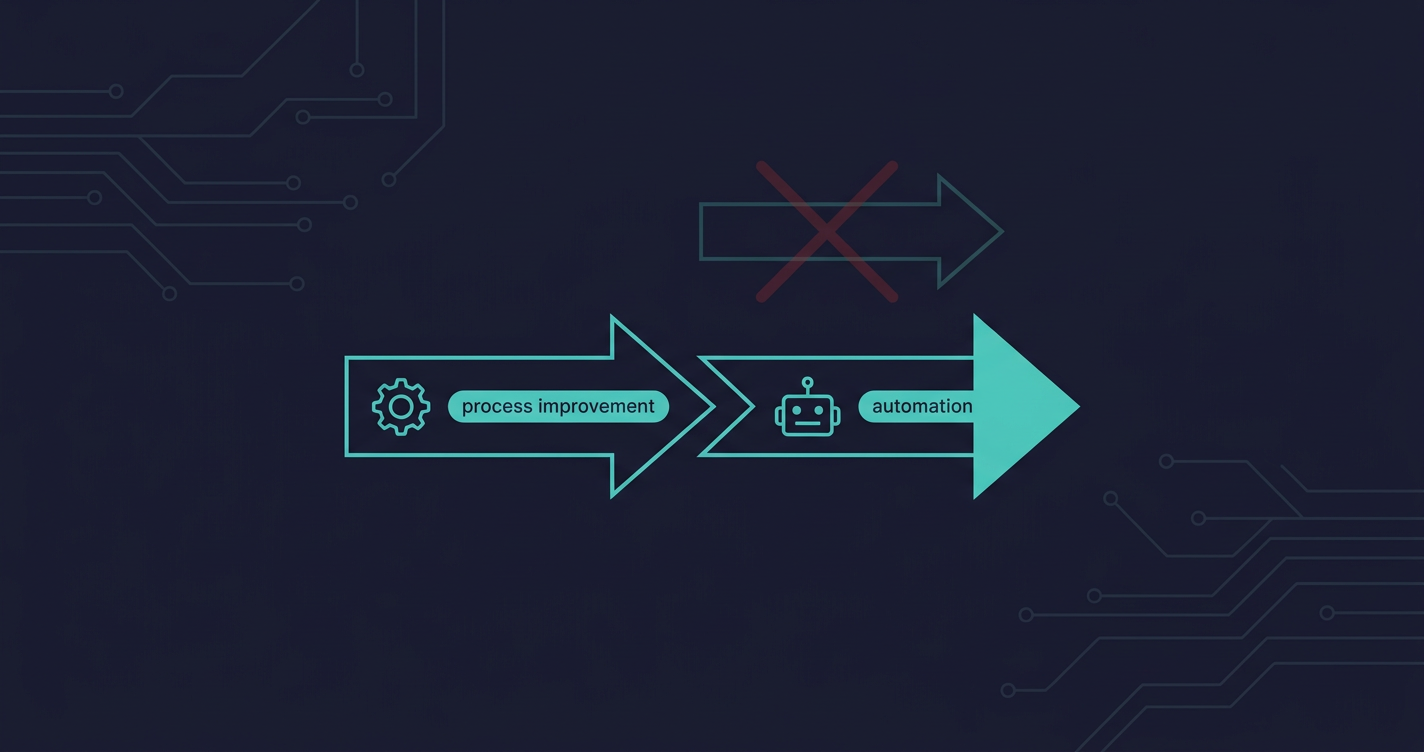
AI Automation vs Process Improvement: The Sequence That Determines Whether Either Works
Most organisations treat AI automation and process improvement as competing investments. They're not — but sequence determines whether either delivers value. Automating a broken process accelerates the failure. This post maps the correct sequence and explains why E-S-S-A-M sits before automation, not alongside it.
SOP Software Comparison 2026: The Criterion Every Evaluation Gets Wrong
Most SOP software evaluations compare features: templates, version control, access permissions. The criterion that determines whether SOPs actually get followed — process adherence tracking — is missing from almost every shortlist. This post explains the gap and maps what to evaluate instead.

Why APAC Banks Can't Calculate Automation ROI, and What Kuwait Bank Did Instead
APAC banks approve automation projects on cost savings projections that exclude the two largest cost drivers: exception handling and compliance rework. This post explains the calculation gap and maps how Kuwait Bank rebuilt its automation ROI model to include the costs that vendor demos deliberately omit.

Root Cause Analysis Tools: Fishbone vs 5-Why vs FMEA—You're Asking the Wrong Question
Teams choose between Fishbone, 5-Why, and FMEA based on which tool they've used before — not based on the problem type. Each tool has a specific fit condition. Using 5-Why on a systemic, multi-cause problem produces a list of symptoms. Using FMEA on a simple process deviation wastes three meetings.

The 7 Types of Process Waste in Banking—And Why Your Lean Training Never Showed You This
The 7 wastes from Toyota's TPS were designed for manufacturing. Banking has the same seven wastes plus two that don't exist in manufacturing: compliance rework and approval loops. This post maps all nine waste types to real banking examples — and explains why standard Lean training misses the two that cause the most damage.

The 12 Process Improvement KPIs That Actually Tell You If Change Is Holding
Most process improvement dashboards track activity — tasks completed, workshops run, SOPs updated. None of that tells you if the change is holding. These 12 KPIs measure whether process improvement is actually sustaining, not just whether the project closed on time.
DMAIC vs PDCA: The Question Every Bank Gets Wrong Before It Even Starts
Banks choose between DMAIC and PDCA based on familiarity, not fit. DMAIC is a deep-dive methodology for complex, multi-root-cause problems. PDCA is a rapid iteration cycle for known problems with testable hypotheses. Choosing the wrong one wastes 6–8 weeks before the team realizes it.
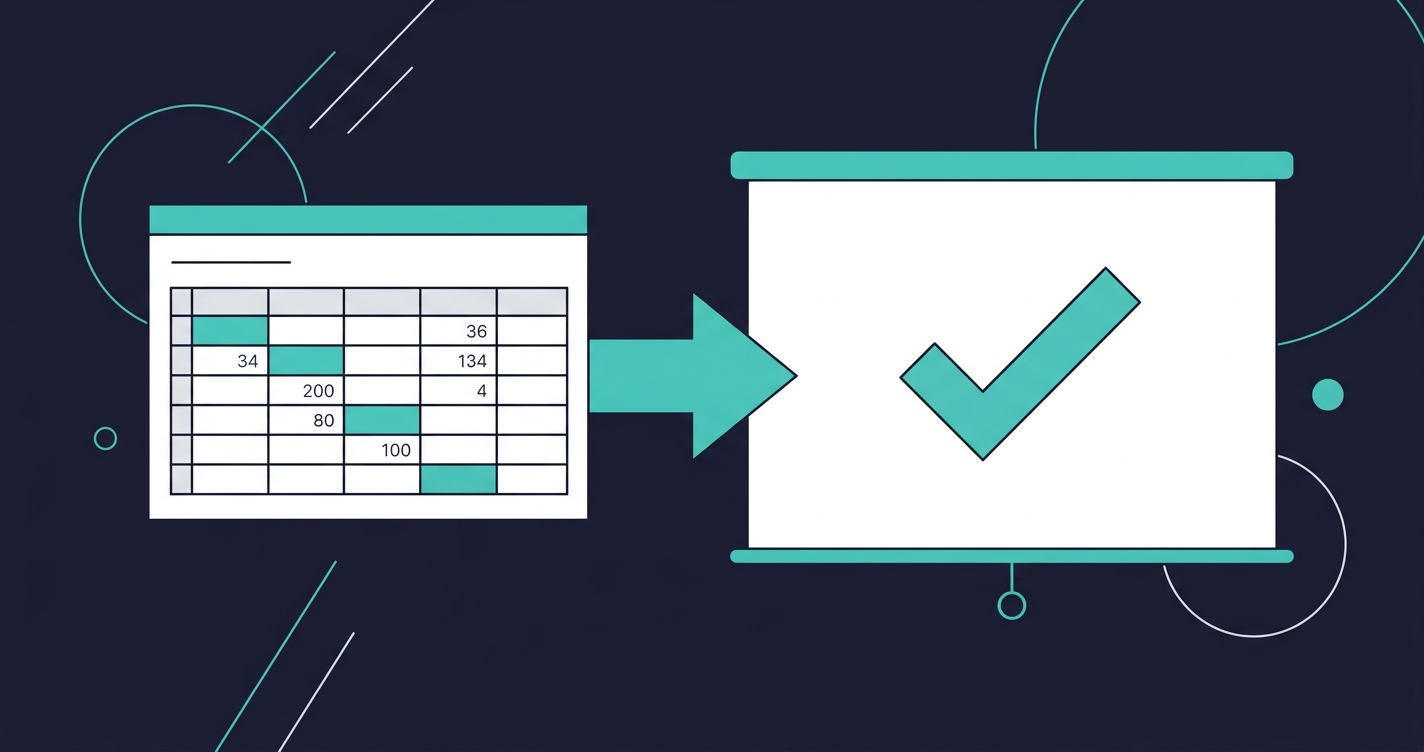
How to Calculate Process Improvement ROI: The Formula Operations Leaders Use to Get Budget Approved
Most process improvement proposals get rejected because they present qualitative benefits instead of a dollar figure. This post walks through the exact formula operations leaders use to calculate process improvement ROI — and shows why the standard calculation systematically underestimates real value.

ESSAM vs Enterprise BPM Platforms: You Might Be Comparing the Wrong Things
Enterprise BPM platforms are IT governance systems. ESSAM is a practitioner-operated process improvement platform for Lean Six Sigma teams. Comparing them as alternatives is a buyer profile error. This post maps when each fits and which questions reveal the mismatch.

Why Lean Six Sigma and Digital Transformation Are Failing Each Other in Banking
IT owns digital transformation. Operations owns process improvement. Their cadences don't align — and running both programs simultaneously on the same process causes each to degrade the other. The sequencing error that explains why 70% of banking transformations fail.

What Is Business Process Optimization? The Consultant's Definition vs. the Practitioner's Definition
The consultant's definition of business process optimization generates reports. The practitioner's definition starts with elimination. This post explains the difference and how the E-S-S-A-M framework sequences optimization correctly before any automation investment.

You're Not Looking for a Cheaper Consultant. You're Looking for a Different Operating Model.
70% of process improvement projects fail to sustain results because the consulting model is built for completion, not continuity. This post maps when a consultant is the right call, when a platform is, and what the structural difference means for operations teams.

Nobody Got Budget for "Process Improvement." Here's the Number That Gets the Yes.
Operations teams get process improvement budgets rejected because they present symptoms, not dollar figures. This post covers the formula — cycle time × fully-loaded labor cost × waste multipliers — and shows why most teams understate the cost of broken processes.

Best AI Tools for Lean Six Sigma 2026: Why Most Lists Get the Category Wrong
Most AI tool lists for LSS include general-purpose assistants with no DMAIC methodology. This post breaks down three categories — generic AI, AI-enhanced diagramming, and DMAIC-native platforms — and explains which category actually serves practitioners.

ESSAM vs BPM Platforms: Why Process Improvement Comes Before Workflow Automation
ESSAM and BPM workflow platforms don't compete — they serve different buyers at different stages. This post explains the distinction between process improvement and workflow automation, and why practitioners use both in sequence.

WhatsApp SOP Deployment: How to Roll Out Process Updates to Staff in 24 Hours
Most SOPs live in SharePoint folders that no one reads. This article explains how ESSAM deploys approved process documentation directly to frontline staff via WhatsApp — so process updates reach people in 24 hours, not weeks.
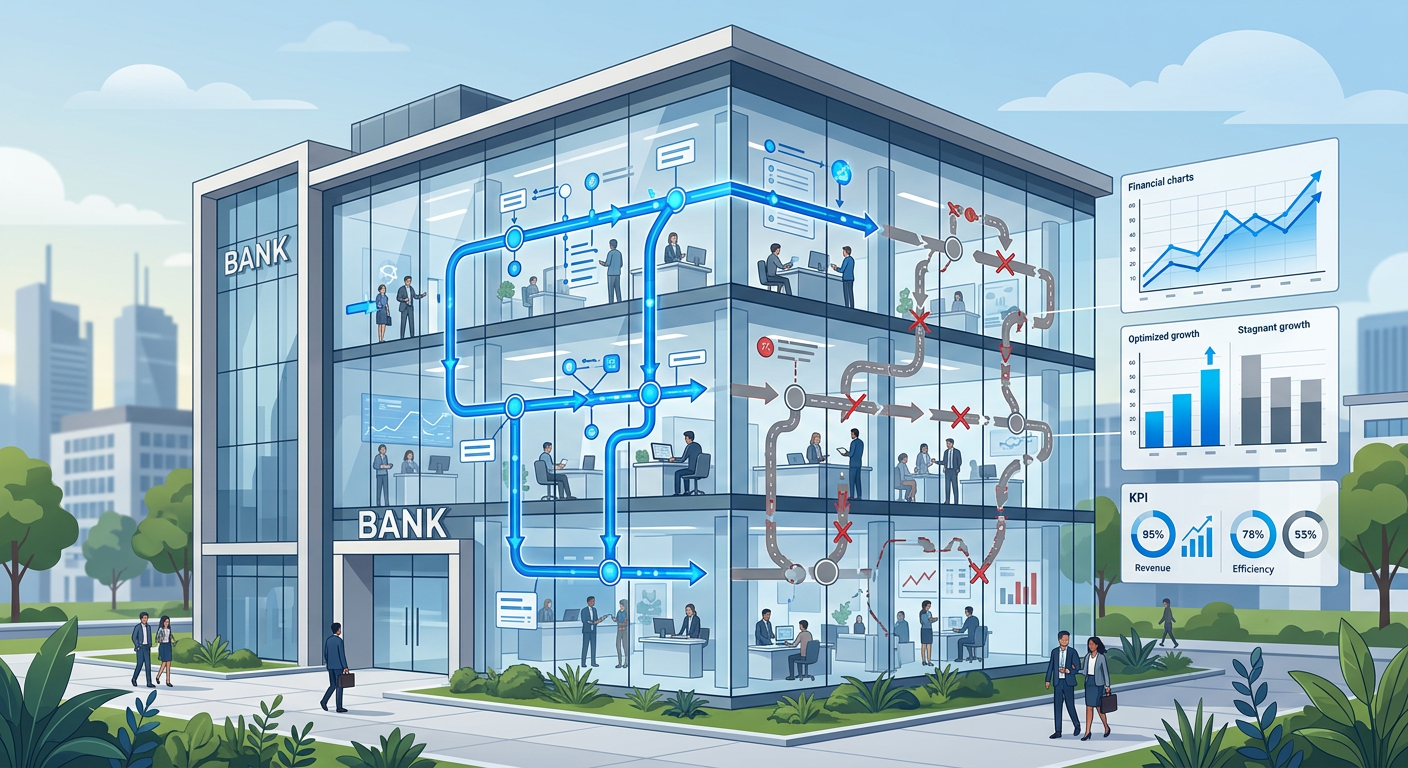
The Complete Guide to Business Process Optimization for Financial Services
Financial services organizations carry process debt that traditional IT modernization budgets don't account for. This guide covers the full business process optimization cycle for banks and financial institutions — baseline, analysis, redesign, and continuous improvement.
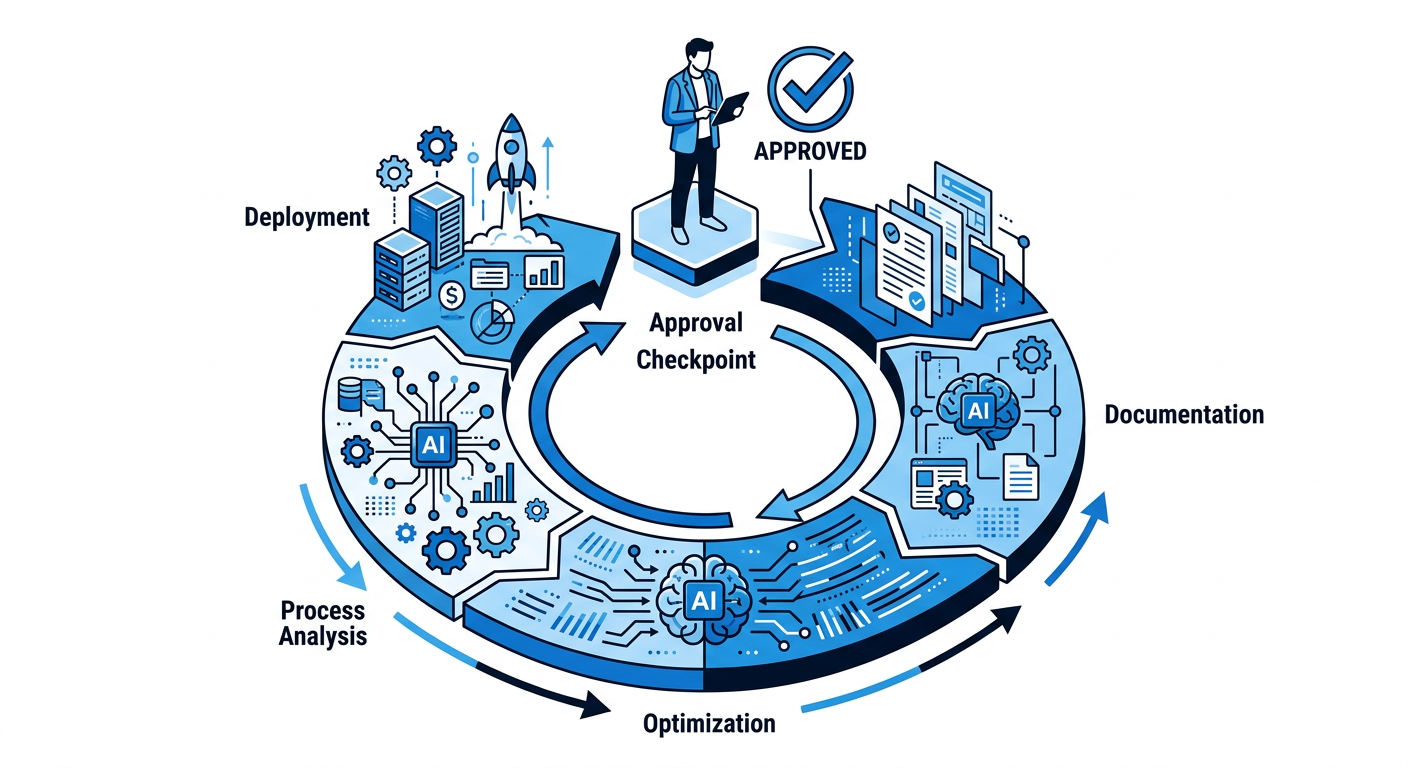
What is Agentic AI for Process Improvement? The 2026 Practitioner's Definition
Most practitioners are asking the wrong question about agentic AI. This article defines what agentic AI actually means in the context of process improvement — based on how 10,000+ Lean Six Sigma practitioners are using it in production with ESSAM.

How to Write an SOP with AI: From Process Description to Approved Document in 30 Minutes
Most SOP tools generate documents fast but fail to solve the real cost buried in procedures — the architecture problem. This guide walks through how AI-powered SOP creation in ESSAM goes from a raw process description to a reviewed, approved document in 30 minutes.

What is an AI Process Engineer? The 2026 Definition
An AI process engineer is not a new job title — it is a capability that emerges when a Lean Six Sigma practitioner is augmented by AI for documentation and analysis. This article defines the role based on what 10,000+ LSSBB practitioners using ESSAM actually do.

McKinsey's Latest AI Agent Strategy for Enterprise Ops — ESSAM Deployed It a Year Ago
McKinsey's May 2026 report validates the agentic process layer architecture that ESSAM has been running in production for a year. A MENA-region bank cut its procurement cycle from 139 days to 33.5 days — a 75.9% reduction delivered in weeks, not years.

The 30% Revenue Leak: How to Find and Fix Your Most Expensive Process in 48 Hours
Inefficient processes can drain up to 30% of an organization's revenue, creating hidden leaks that compound over time. This guide offers a 48-hour playbook to locate and remediate the most costly workflow. Using Essam's AI tools, companies can quickly close the leak and boost profitability.

Why Process Improvement Projects Fail Six Months After the Consultant Leaves
Seventy percent of transformation initiatives lose momentum after consultants depart, as static documentation and knowledge gaps erode gains. The post identifies three structural gaps that cause this decay. Essam's AI-driven platform provides living documentation and continuous governance to sustain results.

DMAIC Is Dead? What Agentic AI Actually Changes About Six Sigma Root Cause Analysis
While DMAIC remains a solid framework, the Measure phase often stalls at scale. Agentic AI reshapes this step, reducing execution costs and accelerating root cause analysis. Essam leverages this technology to make Six Sigma projects more defensible and efficient.

We Analyzed 500 Business Processes and Found the Same 6 Failures Every Time
Analyzing 500 business processes revealed six recurring failure modes that appear across industries, from manufacturing to healthcare. These invisible structural breakdowns drive hidden costs and hinder improvement. Essam's AI platform pinpoints and resolves them for sustainable optimization.

Why Lean Six Sigma Black Belts Are Choosing Agentic AI Over Traditional Process Documentation
Lean Six Sigma Black Belts face a persistent gap between the Analyze phase and producing usable process documentation. Essam.ai closes this gap with agentic AI that accelerates documentation and deployment without compromising DMAIC rigor.
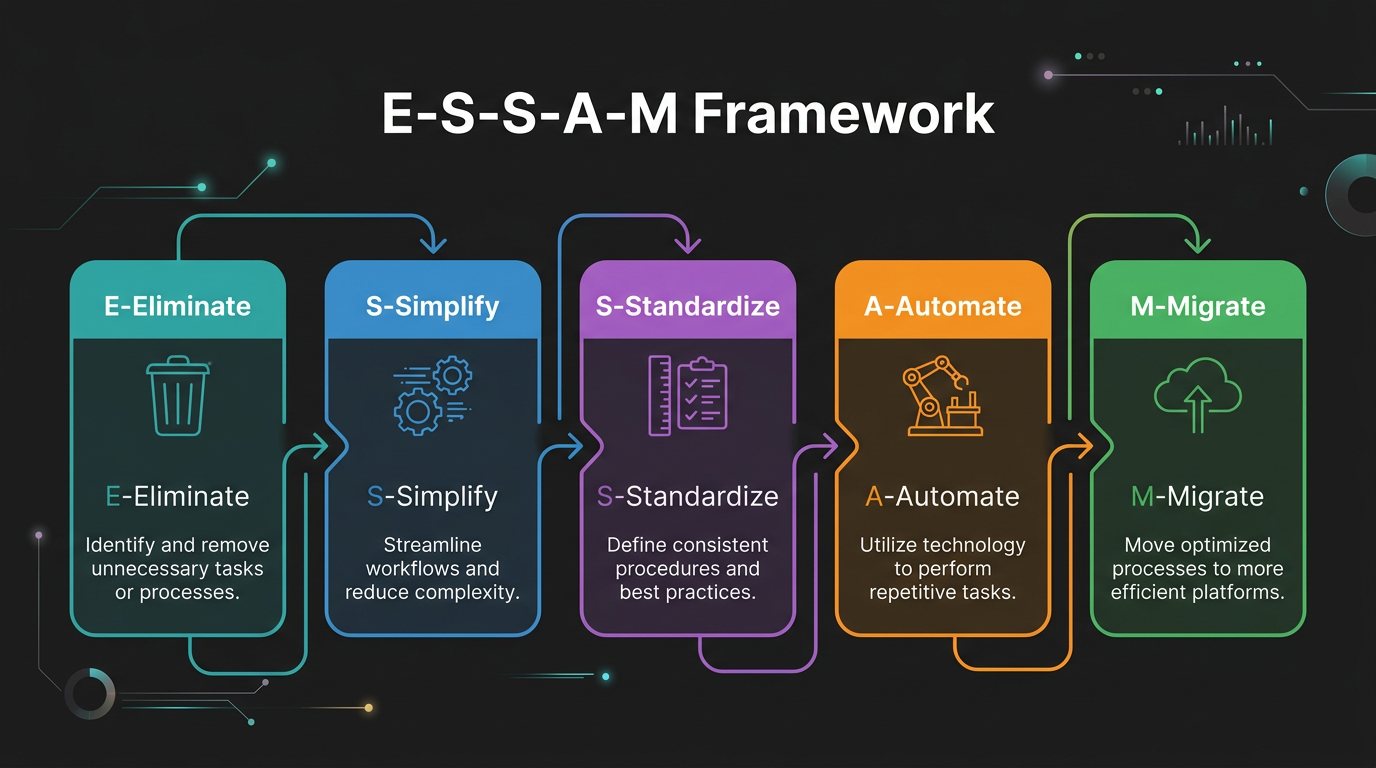
Understanding the E-S-S-A-M Framework
The E-S-S-A-M framework is a 5-step method — Eliminate, Simplify, Standardize, Automate, Migrate — that gives every process activity exactly the treatment it needs. Used by 10,000+ Lean Six Sigma professionals through Essam.ai, it turns DMAIC Improve-phase recommendations into deployed, audit-ready documentation.

What is ESSAM?
ESSAM is an AI process transformation platform that applies Lean Six Sigma methodology to baseline, analyze, redesign, document, and deploy business processes. Used by 10,000+ practitioners, it compresses the analysis-to-documentation cycle from weeks to hours and deploys SOPs directly to frontline staff via WhatsApp.